Drugs, Health Technologies, Health Systems
Reimbursement Recommendation
Palopegteriparatide (Yorvipath)
Indication: A parathyroid hormone replacement therapy indicated for the treatment of chronic hypoparathyroidism in adults.
Sponsor: Pendopharm, division of Pharmascience Inc.
Recommendation: Reimburse with conditions
Summary
What Is the Reimbursement Recommendation for Yorvipath?
Canada’s Drug Agency (CDA-AMC) recommends that Yorvipath be reimbursed by public drug plans for the treatment of adults with chronic hypoparathyroidism that is not adequately controlled with conventional therapy (calcium and calcitriol) if certain conditions are met.
Why Did CDA-AMC Recommend Reimbursement?
The Canadian Drug Expert Committee (CDEC) determined that it is uncertain whether Yorvipath demonstrates acceptable clinical value versus conventional therapy in patients with chronic hypoparathyroidism that is not adequately controlled with conventional therapy. Yorvipath may be used as an alternative to conventional therapy over time; however, given that Yorvipath is expected to be initiated as an additive treatment to conventional therapy, acceptable clinical value refers to added value versus conventional therapy.
Evidence from a clinical trial showed that treatment with Yorvipath for 26 weeks increased the proportion of patients with chronic hypoparathyroidism not adequately controlled by conventional therapy who had a treatment response, defined as normal calcium levels in the blood and independence from conventional therapy, compared with conventional therapy. This result was consistent with findings in the overall trial population with chronic hypoparathyroidism. Long-term evidence up to week 182 suggests that the treatment effect was maintained over time. The potential long-term renal benefit with Yorvipath remains uncertain, as the design and duration of the clinical trial were not sufficient to evaluate this outcome.
Conventional therapy does not target the underlying cause of hypoparathyroidism. Many patients have difficulty managing the symptoms of hypoparathyroidism, are unable to maintain normal calcium and phosphorous levels in the blood, and are at risk of long-term complications of hypoparathyroidism. Based on all of the preceding considerations, CDEC concluded that treatment with Yorvipath may address a significant unmet clinical need to a degree that justifies a positive recommendation despite uncertainty about its clinical value.
Which Patients Are Eligible for Coverage?
Yorvipath should only be covered for adult patients diagnosed with chronic hypoparathyroidism that is not adequately controlled by conventional therapy, defined as meeting at least 1 of the following criteria while receiving optimized hypoparathyroidism-related supplements: low calcium levels in the blood with symptoms, high phosphate levels in the blood, reduced kidney function, high calcium levels in the urine, and intolerance to high doses of, or requiring high doses of, conventional therapy.
What Are the Conditions for Reimbursement?
Yorvipath should only be reimbursed if the cost of Yorvipath is reduced, and if the patient’s condition shows a treatment response (i.e., meets all of the following criteria: normal calcium levels in the blood, independence from active vitamin D, and at least a 50% reduction in the dose of therapeutic calcium). A response to treatment should be assessed after the initial authorization period of 26 weeks, and reassessed at least every 12 months thereafter. Yorvipath should be prescribed and monitored by health care professionals with experience in the diagnosis and management of patients with hypoparathyroidism.
Important budget impact considerations must be addressed for health systems to be able to adopt Yorvipath.
Review Background
Disease background: Hypoparathyroidism is a rare endocrine deficiency disease diagnosed by low serum ionized or albumin-corrected calcium (hypocalcemia) with low or inappropriately normal parathyroid hormone (PTH) levels. The key clinical features of the disease are neuromuscular symptoms due to hypocalcemia and ectopic calcifications in the kidney, brain, eye, or vasculature over time due to hyperphosphatemia (high levels of phosphate in the blood). The most common (75%) cause of hypoparathyroidism in adults is postsurgical (removal of, or permanent functional damage to, the parathyroid glands during parathyroid, thyroid, laryngeal, or other neck surgeries), with an estimated 3% to 30% of patients with postoperative hypocalcemia developing chronic hypoparathyroidism. Global incidence is estimated at 0.8 to 2.3 per 100,000 people per year, with an estimated prevalence of 6.4 and 37 per 100,000 people.
Indication and reimbursement request: Palopegteriparatide (Yorvipath) has been approved by Health Canada as a PTH replacement therapy indicated for the treatment of chronic hypoparathyroidism in adults. The sponsor is seeking reimbursement for this patient population who are not adequately controlled with conventional therapy.
Drug under review: Palopegteriparatide is a PTH replacement therapy. It is administered by subcutaneous injection and the dosage recommended in the product monograph is 6 to 60 mcg per day.
Treatment costs: At the submitted price of $6,450.00 per prefilled pen, the annual cost of palopegteriparatide is expected to be $168,161 for patients who require 30 mcg per day or less (1 pen daily) and $336,321 for patients who require more than 30 mcg per day (2 pens daily), based on the Health Canada–recommended dosage.
Highlights of Input from Interested Parties
The patient group, HypoPARAthyroidism Association, noted the following regarding impacts of the disease, unmet needs, and important outcomes:
Patients experience debilitating physical symptoms (e.g., paresthesia, muscle cramps, spasms), cognitive symptoms (e.g., brain fog, anxiety, cognitive dysfunction), and acute episodes of hypocalcemia (commonly referred to as sudden calcium crashes which can be severe and life-threatening by causing prolonged QT interval, cardiac arrhythmias, and seizures), collectively reducing quality of life, physical functioning, and emotional well-being.
Patients identified several unmet needs and challenges with conventional therapy using oral calcium supplements and calcitriol. Despite regular use, these treatments may fail to adequately control the symptoms of hypoparathyroidism, including acute episodes of hypocalcemia. Patients also noted that conventional therapy does not prevent long-term complications and may contribute to renal impairment, skeletal concerns, and ectopic calcifications. The overall treatment burden is substantial, requiring frequent blood tests, ongoing dose adjustments, and regular clinic visits. In addition, patients face a high daily pill burden and experience adverse effects, particularly constipation that can progress to obstipation. Collectively, these issues contribute to a reduced overall quality of life for many patients.
The clinician groups (Canadian Endocrine Update and Canadian Endocrine Review Course; Dalhousie University Division of Endocrinology; Garneau Endocrine; and Metabolic Bone Diseases and Osteoporosis Clinic, St Joseph’s Healthcare, London) and the clinical experts consulted by CDA-AMC noted the following regarding unmet needs arising from the disease and place in therapy for the drug under review:
Clinicians and clinical experts identified several unmet needs and limitations associated with conventional therapy for hypoparathyroidism. Current treatment does not address the underlying PTH deficiency and often fails to maintain stable, normal serum calcium and phosphorus levels. Clinicians also noted that conventional therapy can increase urinary calcium excretion on 24-hour urine testing and that some patients eventually become refractory to treatment despite escalating doses.
Two clinician groups and clinical experts advocated for palopegteriparatide to be first-line for all patients with hypoparathyroidism and particularly for patients with disease refractory to conventional therapy.
Two other clinician groups suggested the use of palopegteriparatide in the second-line setting; that is, conventional therapy remains first-line for practical reasons due to costs and adherence to daily subcutaneous injections.
The participating public drug programs raised potential implementation issues related to considerations for initiation, renewal, discontinuation, and prescribing of therapy; care provision issues; and system and economic issues.

Disclaimer: The perspectives shared by people with lived experience who present to the committee reflect their individual experiences and are not necessarily representative of all people with the same condition or course of treatment. Their insights provide valuable context about what a patient, support person, or caregiver might go through with this condition or treatment, helping to inform the committee’s deliberations. These narratives complement other forms of evidence and input and should be considered as 1 element contributing to a broader understanding of the condition and treatment under review.
Recommendation
With a vote of 15 to 0, CDEC recommends that palopegteriparatide be reimbursed as a PTH replacement therapy for the treatment of chronic hypoparathyroidism in adults only if the conditions listed in Table 1 are met.
Table 1: Reimbursement Conditions and Reasons
Reimbursement condition | Reason | Implementation guidance |
|---|---|---|
Initiation | ||
1. Adult patients with a confirmed diagnosis of chronic hypoparathyroidism that is not adequately controlled by conventional therapy (calcium and active vitamin D), defined as meeting any 1 of the following criteria while receiving optimized hypoparathyroidism-related supplements: 1.1. symptomatic hypocalcemia 1.2. hyperphosphatemia (> 1.45 mmol/L) 1.3. renal insufficiency (for example, < 60 mL/min, or renal stone) 1.4. hypercalciuria 1.5. intolerance to high doses of, or requiring high doses of conventional therapy (a total daily dose of calcium > 2,000 mg per day or a total daily dose of calcitriol > 2 mcg per day [or equivalent]). | Evidence from the post hoc analysis of the PaTHway trial demonstrated that treatment with palopegteriparatide resulted in an added clinical benefit in patients with chronic hypoparathyroidism that is not adequately controlled by conventional therapy. The criteria for hypoparathyroidism that is not adequately controlled is aligned with the criteria used to identify patients for the post hoc analysis and is based on clinical practice guidelines. | Diagnosis of chronic hypoparathyroidism: A diagnosis requires meeting either of the following criteria: postsurgical hypoparathyroidism for at least 26 weeks, or autoimmune, genetic, or idiopathic hypoparathyroidism based on a history of hypocalcemia in the presence of an undetectable, low, or inappropriately normal intact PTH levels.
Appropriate trial of conventional therapy (calcium and active vitamin D): The definition of optimized hypoparathyroidism-related supplements used in the PaTHway trial was considered clinically relevant for the definition of an appropriate trial of conventional therapy. In the trial, patients were required to complete at least 12 weeks of optimized conventional therapy, consisting of oral calcium and active vitamin D administered at or higher than the following minimum thresholds:
Inadequate control: Guidelines and clinical experts consider inadequate control as any 1 of the following: symptomatic hypocalcemia, hyperphosphatemia, renal insufficiency, hypercalciuria, or intolerance to or requiring high doses of conventional therapy. Defining hypercalciuria: Guidelines advise avoiding hypercalciuria when titrating conventional therapy and proposes to achieve a 24-hour urinary calcium level of < 6.25 mmol/24 hours or 250 mg/24 hours for adult females and < 7.5 mmol/24 hours or 300 mg/24 hours for adult males. The clinical experts considered calcium levels that exceed those targets in the urine as hypercalciuria. Transient hypoparathyroidism: There is no evidence to support the use of palopegteriparatide for transient hypoparathyroidism as those patients were excluded from the PaTHway trial. |
2. The maximum duration of initial authorization for palopegteriparatide is 26 weeks. | In the PaTHway trial, the primary end point was the proportion of patients who met the primary composite end point criteria assessed at week 26. | — |
Renewal | ||
3. Subsequent renewals of palopegteriparatide should be assessed at least every 12 months. | Consistent with clinical practice, where patients whose disease was stable are monitored every 6 to 12 months. Annual assessments will help ensure the treatment is used for those benefiting from therapy. | — |
4. For renewal after initial authorization and subsequent renewals, reimbursement of palopegteriparatide should be continued if a response to treatment is demonstrated, defined as meeting all of the following: 4.1. normocalcemia, defined as albumin-adjusted serum calcium within the normal range of 8.3 to 10.6 mg/dL (2.07 to 2.64 mmol/L) 4.2. independence from active vitamin D 4.3. reduction of conventional therapy dose of calcium by at least 50%. | The criteria for response to treatment is aligned clinically relevant components of the composite primary end point of the PaTHway trial. In the population not adequately controlled by conventional therapy in the PaTHway trial, █████ of patients in the palopegteriparatide group [and ████ in the placebo group] met all components of the primary composite end point at week 26. Regarding the specific components of the primary end point, there were █████ of patients with albumin-adjusted serum calcium within the normal range, █████ of patients with independence from calcitriol (or alfacalcidol), and █████ of patients with independence from therapeutic doses of calcium. | In the PaTHway trial, normocalcemia was defined as albumin-adjusted serum calcium within the normal range of 8.3 to 10.6 mg/dL (2.07 to 2.64 mmol/L). However, the clinical experts noted that the reference range for normal can slightly vary between laboratories across Canada. CDEC indicated it is appropriate to use the reference range for normal at the performing laboratory instead of the specific threshold aligned with the PaTHway trial. |
Prescribing | ||
5. Palopegteriparatide should initially be prescribed and monitored by health care professionals experienced in the diagnosis and management of patients with hypoparathyroidism. | This is meant to ensure that palopegteriparatide is prescribed for appropriate patients and that adverse effects are managed in an optimized and timely manner. | CDEC acknowledged that there may be limited access to specialists in some jurisdictions. Once a patient receives a stable dose, it would be reasonable for family physicians, internal medicine physicians, or nurse practitioners (with appropriate training and experience) to prescribe. |
Pricing | ||
6. A reduction in price. | Using the CDA-AMC base-case analysis, the ICER for palopegteriparatide plus conventional therapy was $1,696,159 per QALY gained when compared with conventional therapy alone. A band 4a price reduction would be required to achieve cost-effectiveness at a $50,000 per QALY threshold. A band 4a price reduction would be required to achieve cost-effectiveness at a $100,000 per QALY threshold. Price reductions for any given willingness-to-pay threshold are available in the CDA-AMC Main Report and Supplemental Material document. | The CDA-AMC analysis is based on public list prices for all treatments. Further price reductions may be required if there are price arrangements (discounts) currently in place for any treatment included in the economic analysis. Likewise, further price reductions may be required to address economic feasibility of adoption. |
Feasibility of adoption | ||
7. The economic feasibility of adoption of palopegteriparatide must be addressed. | At the submitted price, the incremental budget impact of palopegteriparatide is expected to be greater than $40 million in years 1, 2, and 3. | — |
CDA-AMC = Canada’s Drug Agency; CDEC = Canadian Drug Expert Committee; ICER = incremental cost-effectiveness ratio; PTH = parathyroid hormone; QALY = quality-adjusted life-year.
aFor the statement regarding the size of the price reduction required, band 1 = 1% to 24%; band 2 = 25% to 49%; band 3 = 50% to 74%; and band 4 = 75% or greater.
Rationale for the Recommendation
Clinical Value
Based on the totality of the presented clinical evidence, CDEC concluded that it is uncertain whether palopegteriparatide demonstrates acceptable clinical value compared with conventional therapy in patients with chronic hypoparathyroidism that is not adequately controlled with conventional therapy. Given that palopegteriparatide is expected to be an additive treatment to conventional therapy, acceptable clinical value refers to added value versus conventional therapy.
Evidence from 1 phase III, double-blind, placebo-controlled, parallel group, 26-week randomized controlled trial (PaTHway; N = 84) evaluating the efficacy and safety of palopegteriparatide versus placebo (coadministered with conventional therapy defined as calcitriol or alfacalcidol and oral calcium supplements) in adults with chronic hypoparathyroidism were discussed by CDEC. Evidence from a post hoc subgroup analysis of patients with chronic hypoparathyroidism not adequately controlled by conventional therapy in the PaTHway trial, which informed the sponsor’s reimbursement request, were also discussed by CDEC. Evidence from the post hoc subgroup analysis showed a likely clinically important increase in the percentage of patients with a treatment response defined as normocalcemia and independence from conventional therapy, supported by similar findings in the overall trial population. The treatment difference between palopegteriparatide versus conventional therapy in patients with treatment response in the population not adequately controlled by conventional therapy was ███ (95% confidence interval, ███ ██ ███) at week 26. The post hoc subgroup analysis also showed that palopegteriparatide may result in an improvement of physical and cognitive symptoms of hypoparathyroidism and may result in an increase in the percentage of patients with normal 24-hour urine calcium excretion or at least a 50% reduction from baseline, compared with conventional therapy.
Evidence from a 52-week interim analysis and 182-week final analysis from the open-label extension (OLE) of the PaTHway trial were also discussed by CDEC. The committee noted that longer-term evidence of the efficacy and safety of palopegteriparatide was identified as clinically important given the chronicity of hypoparathyroidism and the associated long-term complications. CDEC noted that the results at week 26 demonstrate acceptable clinical value, and the long-term evidence up to week 182 is supportive of maintained efficacy over time for this rare, chronic condition, though it was not considered conclusive evidence. The committee further noted that the potential for long-term renal benefits associated with palopegteriparatide remain uncertain and that the design and duration of the PaTHway trial would not be able to address this; however, the challenges with generating evidence that would robustly inform on the long-term benefits were also acknowledged.
Further information on the committee’s discussion around clinical value is provided in the Summary of Deliberation section.
Considering Significant Unmet Clinical Need
CDEC established that there are significant unmet clinical needs in patients living with chronic hypoparathyroidism not adequately controlled by conventional therapy. With conventional therapy, clinicians noted that the underlying pathophysiology of hypoparathyroidism is not addressed and many patients have difficulty managing the symptoms of hypoparathyroidism, are unable to effectively maintain normal serum calcium and phosphorous levels, and are at risk of long-term complications of hypoparathyroidism. Patients identified the need for better symptom control, fewer cognitive issues, and reduced anxiety. Based on the evidence in the PaTHway trial, CDEC concluded that treatment with palopegteriparatide may address a significant unmet clinical need to a degree that justifies a positive recommendation despite the uncertainty in the clinical value.
Further information on the committee’s discussion around unmet clinical need is provided in the Summary of Deliberation section.
Developing the Recommendation
Due to the uncertainty in clinical value, CDEC could not recommend whether to reimburse palopegteriparatide or not based on clinical value alone. Therefore, they also considered whether palopegteriparatide addresses a significant unmet clinical need. CDEC concluded that palopegteriparatide addresses a significant unmet clinical need with an acceptable level of certainty. Based on the preceding considerations, CDEC recommended that palopegteriparatide be reimbursed. As part of the deliberation on whether to recommend reimbursement or not, the committee also considered unmet nonclinical need and health inequity. Information on this discussion is provided in the Distinct Social and Ethical Considerations domain in the Summary of Deliberation section.
Because CDEC recommended that palopegteriparatide be reimbursed, the committee also deliberated on whether reimbursement conditions should be added to address important economic considerations, health system impacts, or social and ethical considerations, or to ensure clinical value is realized. The resulting reimbursement conditions, with accompanying reasons and implementation guidance, are stated in Table 1.
Summary of Deliberation
CDEC considered all domains of value of the deliberative framework before developing its recommendation: clinical value, unmet clinical need, distinct social and ethical considerations, economic considerations, and impacts on health systems. For further information on the domains of value, refer to Expert Committee Deliberation at Canada’s Drug Agency.
The committee considered the following key discussion points, organized by the 5 domains of value.
The sponsor requested a reconsideration of the initial draft recommendation not to reimburse palopegteriparatide as a PTH replacement therapy for the treatment of chronic hypoparathyroidism in adults. There were 6 issues outlined by the sponsor in the request for reconsideration that were discussed by CDEC.
Clinical Value
Appropriate comparators: During the initial and reconsideration meetings, the committee considered conventional therapy (mainly comprising oral calcium supplements and calcitriol) plus standard of care (outlined in the Unmet Clinical Need section) to be appropriate comparators for the drug under review. Notably, the committee considered off label use of thiazide diuretics for the treatment of hypercalciuria to be a recognized part of standard of care in Canada.
Thiazide exclusion from the PaTHway trial: During the initial and reconsideration meetings, the committee acknowledged the rationale for prohibiting thiazide therapy in the PaTHway trial but noted that there is uncertainty as to whether the observed treatment effects — particularly in the outcome of 24-hour urine calcium excretion — reflect comparison with fully optimized standard of care therapy, where adjunctive treatments may be used in practice. While thiazides are not considered part of foundational conventional therapy for the treatment of chronic hypoparathyroidism, they are recognized in clinical practice guidelines in Canada as adjunctive therapy and may be used in routine clinical practice for patients with hypercalciuria. The committee acknowledged that the use of thiazides may not be appropriate for all patients, but this remains a limitation of the evidence as it is difficult to determine whether patients in the placebo group were receiving optimized maximal standard of care, as outlined in the unmet clinical need section.
Efficacy versus conventional therapy with oral calcium supplements and calcitriol: One randomized controlled trial (PaTHway; N = 84) demonstrated that treatment with palopegteriparatide, coadministered with conventional therapy, for 26 weeks resulted in an increase in the percentage of patients with treatment response, defined as normocalcemia and independence from conventional therapy (the treatment difference was 74%; 95% confidence interval, 60% to 88%) in patients with chronic hypoparathyroidism, compared with placebo coadministered with conventional therapy. During the initial and reconsideration meetings, the committee acknowledged the clinical importance of the outcome of 24-hour urine calcium excretion to patients and clinicians, noting that conventional therapy contributes to the worsening of 24-hour urine calcium and persistent hypercalciuria is associated with nephrolithiasis, nephrocalcinosis, and long-term renal impairment. The committee noted that the primary finding was supported by an increase observed in the percentage of patients with normal 24-hour urine calcium excretion or 50% or greater reduction from baseline. The committee acknowledged the rationale for the evaluation of 24-hour urine calcium excretion as a safety outcome measure in the trial, noting that it should therefore be interpreted as supportive evidence for this reason. However, the committee noted that the exclusion of this as an efficacy outcome remains a limitation of the evidence informing the efficacy of palopegteriparatide (i.e., this outcome was not designed to independently demonstrate efficacy).
Physical and cognitive symptoms and their impact on quality of life and physical functioning: During the initial and reconsideration meetings, the committee acknowledged the clinical importance of improved symptom control and quality of life for patients and considered the relevant evidence from the PaTHway trial: palopegteriparatide likely results in an improvement in physical and cognitive symptoms and quality of life and may result in an improvement in physical functioning in the overall trial population, which were evaluated by the patient-reported Hypoparathyroidism Patient Experience Scale.
Subpopulation of patients with hypoparathyroidism not adequately controlled by conventional therapy: The evidence to support the sponsor's reimbursement request is derived from a post hoc subgroup analysis in the population not adequately controlled by conventional therapy in the PaTHway trial. During the initial and reconsideration meetings, the committee discussed the notable limitations of a post hoc subgroup analysis, including high risk of bias and confounding, inflated probability of false positives (type I error), and that causality cannot be confirmed. Many of these concerns were mitigated due to the large overlap in the overall trial population and the population not adequately controlled by conventional therapy (n = ██; █████ of the intention-to-treat population) and the primary end point finding in the population not adequately controlled by conventional therapy was supported by the main analysis in the intention-to-treat population. However, the committee noted that an overall concern remains regarding inflated probability of false positives due to multiple comparisons without multiplicity adjustment. As mentioned in the previous discussion point, the committee acknowledged the clinical importance of improved quality of life and symptom control for patients. In this context, the committee noted that the PaTHway trial showed a likely clinically important improvement in quality of life in the overall trial population at week 26, compared with conventional therapy. In contrast, the post hoc subgroup analysis trial showed that palopegteriparatide may result in little to no difference in quality of life in the population not adequately controlled by conventional therapy at week 26, compared with conventional therapy, thereby introducing additional uncertainty in the evidence for the population not adequately controlled by conventional therapy. Although the evidence in the population not adequately controlled by conventional therapy is less certain, the committee acknowledged that the findings in the overall trial population are likely generalizable to the population not adequately controlled by conventional therapy.
Comparative harms: Although the evidence on hypocalcemia and hypercalcemia events associated with palopegteriparatide is very uncertain due to the short 26-week trial duration and few observed events, the committee acknowledged that this aligns with expectations for palopegteriparatide during the initial meeting. Few hypocalcemia events were expected as patients had normal blood calcium levels at week 26, and hypercalcemia events occurred during palopegteriparatide titration and coadministration with conventional therapy. The committee noted serious adverse events were infrequent in the trial.
Long-term efficacy versus conventional therapy: During the initial and reconsideration meetings, the committee noted the chronic nature of hypoparathyroidism and its associated long-term complications, highlighting the clinical importance of evidence on the long-term effects of palopegteriparatide. The committee considered the findings in the 52-week interim analysis and 182-week final analysis from the OLE of the PaTHway trial, which suggested continued benefit of palopegteriparatide on key outcome measures in patients with chronic hypoparathyroidism. The committee further noted no new safety signals were reported at week 52 and week 182. However, without a comparator, causal conclusions cannot be drawn. CDEC noted that the results at week 26 demonstrate acceptable clinical value, and the long-term evidence up to week 182 is supportive but not conclusive. The committee further noted that the long-term potential renal benefits of palopegteriparatide remain uncertain and that the design and duration of the PaTHway trial would not be able to address this.
Effect on renal function: A post hoc analysis of the PaTHway trial showed that palopegteriparatide may be associated with an increase in estimated glomerular filtration rate at week 26, compared with conventional therapy. During the initial and reconsideration meetings, the committee discussed the importance of proper management of hypoparathyroidism as it relates to long-term renal outcomes, such as nephrocalcinosis, nephrolithiasis, renal insufficiency, or fracture risk; however, CDEC concluded that the long-term treatment effect on renal function in patients with chronic hypoparathyroidism is uncertain due to methodological limitations, including post hoc analyses and pooled data at later but relevant time points.
Effect on bone-related outcomes: During the initial and reconsideration meetings, the committee noted the limitations of the short-term evidence on bone mineral density and bone turnover marker outcomes assessed in the PaTHway trial. As part of the discussion, the committee acknowledged the clinical importance of bone-related outcomes because of the relationship with the risk of fractures. Clinical experts noted that the findings from the PaTHway trial may suggest potential benefits with palopegteriparatide, signalling return to near physiological levels of PTH over 24 hours and return to normal bone formation and resorption; however, the follow-up period was too short to draw any conclusions and long-term trials are needed to confirm the bone-related outcomes as a surrogate for skeletal complications (fracture risk).
Clinical importance of treatment effects and remaining important evidence gaps: During the initial and reconsideration meetings, the committee acknowledged that the trial demonstrated palopegteriparatide effect on relevant surrogate outcomes, with the primary composite end point comprising key markers used by clinicians to assess treatment response (disease control). However, evidence on other important clinical outcomes identified in the input informing the assessment — such as but are not limited to renal, skeletal, and cardiac complications — is lacking. Despite there being biological plausibility, evidence beyond 182 weeks (e.g., clinical experts suggested ≥ 5 years) is needed to confirm that sustained biochemical control, reduced or discontinuation of oral calcium supplements and calcitriol, and reduced urine calcium excretion lead to long-term clinical benefit for patients with chronic hypoparathyroidism. As part of this discussion, the committee acknowledged the rarity of hypoparathyroidism and associated challenges with generating robust evidence that would be able to inform data on these important, long-term outcomes.
PTH replacement therapy (additive versus alternative): During the initial and reconsideration meetings, the committee acknowledged that, ideally, treatment with palopegteriparatide is intended to enable independence from conventional therapy and therefore represent an alternative to conventional therapy, as defined in the PaTHway trial and in the product monograph. The committee also acknowledged that the PaTHway trial demonstrated 26 weeks of treatment with palopegteriparatide results in an increase in the proportion of patients with treatment response (normocalcemia and independence from conventional therapy). However, the committee noted that while █████ of patients were independent from calcitriol (or alfacalcidol) and █████ of patients were independent from therapeutic doses of calcium at week 26 (palopegteriparatide group; population not adequately controlled by conventional therapy), a total of 78.9% of patients had albumin-adjusted serum calcium within the normal range. The committee also noted that the product monograph guidance supports that treatment with palopegteriparatide may need to be supplemented with active vitamin D and/or calcium therapy if an adequate response is not achieved at maximal dosing. Overall, the committee concluded that complete replacement of conventional therapy in practice cannot be assumed across the eligible population.
Therapeutic calcium versus supplemental calcium: The clinical experts noted that the ongoing need for some supplemental calcium is not necessarily a treatment failure with palopegteriparatide. The clinical experts further noted that calcium intake of greater than 600 mg may still be needed for nutritional optimization independent of hypoparathyroidism. The committee agreed with the clinical experts that additional information would be needed to clarify why some patients required extra calcium (e.g., requiring supplemental calcium addresses a nutritional deficit in dietary calcium intake, to maintain normal mineral balance and bone health, or due to malabsorption).
Clinical value: Recognizing that ideally, treatment with palopegteriparatide is intended to enable independence from conventional therapy, palopegteriparatide is expected to be an additive treatment to conventional therapy in some cases as previously described. Therefore, acceptable clinical value refers to added value versus conventional therapy. Based on all of the preceding considerations, the committee determined at the reconsideration meeting that there was added clinical value as an add-on to conventional therapy versus conventional therapy alone for the treatment of chronic hypoparathyroidism not adequately controlled by conventional therapy. However, the committee noted that the potential for long-term renal benefits associated with palopegteriparatide remain uncertain and that the design and duration of the PaTHway trial would not be able to address this.
Unmet Clinical Need
Input on unmet clinical need: During the initial and reconsideration meetings, the committee acknowledged the unmet clinical needs and existing challenges with conventional therapy identified by patients, clinicians, and clinical experts. It does not address the underlying hormone deficiency, adequate management of symptoms of hypoparathyroidism, prevention of long-term complications of hypoparathyroidism, or effectively maintaining stable normal serum calcium and phosphorus levels. Further, patients identified the need for a treatment that is safe and has long-term efficacy, that has better symptom control, improved quality of life, fewer cognitive issues, and reduced anxiety as key unmet clinical needs. Elevated urine calcium excretion remains a challenge, and conventional therapy is associated with adverse effects, particularly constipation that can progress to obstipation. Additionally, clinicians indicated that patients may become refractory to current treatment options.
Severity of the disease: During the initial and reconsideration meetings, the committee acknowledged the rarity, chronicity, and severity of hypoparathyroidism. Symptoms of hypocalcemia resulting from hypoparathyroidism vary in severity and the systems they affect. Patients report debilitating physical symptoms (e.g., fatigue, paresthesia, muscle cramps, spasms), cognitive symptoms (e.g., brain fog, anxiety, cognitive dysfunction), and acute episodes of hypocalcemia (commonly referred to as sudden calcium crashes which can be severe and life-threatening by causing prolonged QT interval, cardiac arrhythmias, and seizures). Collectively, the symptoms of hypocalcemia reduce quality of life, physical functioning, and emotional well-being. Further, hypoparathyroidism is associated with but not limited to renal, skeletal, cardiac, and ophthalmic complications and infections.
Availability of treatment options (conventional therapy and standard of care): During the initial and reconsideration meetings, the committee discussed currently available treatment options. Namely, conventional therapy, comprising oral calcium supplements (calcium carbonate or calcium citrate) and active vitamin D (calcitriol or alfacalcidol), in conjunction with dietary recommendations, as first-line therapy for patients with chronic hypoparathyroidism. Calcium supplements (with meals) can act as phosphate binders to reduce serum phosphate but also contribute to increased intestinal calcium absorption and hypercalciuria. For refractory hyperphosphatemia, the guidelines suggest considering phosphate binders. The guidelines indicate that treatment may also include supplementation with cholecalciferol or ergocalciferol to address vitamin D inadequacy, supplementation with magnesium (as tolerated) to address magnesium level abnormalities, and off label use of thiazide diuretics (hydrochlorothiazide) to treat hypercalciuria (to reduce urine calcium excretion). Clinical experts indicated that thiazide therapy is an essential part of standard of care but is likely underused as 24-hour urine collection is underused in practice. The committee acknowledged that the management of chronic hypoparathyroidism is complex, but prohibiting the use of thiazides or phosphate binders during the trial introduces uncertainty about the magnitude of benefit for palopegteriparatide compared to standards for therapy in Canada.
Availability of treatment options (PTH replacement therapy): Clinicians and clinical experts indicated that PTH replacement therapy is not routinely used in Canada due to challenges with access. Specifically, teriparatide (PTH 1-34) is not routinely used for hypoparathyroidism in Canada due to challenges with access, cost, short half-life requiring multiple daily injections, and that it is indicated for osteoporosis (not hypoparathyroidism). Abaloparatide is not available in Canada and PTH 1-84 is no longer manufactured worldwide.
Significant unmet clinical need: CDEC determined that there are significant unmet clinical needs in patients living with chronic hypoparathyroidism not adequately controlled by conventional therapy. Based on the evidence in the PaTHway trial, CDEC concluded at the reconsideration meeting that treatment with palopegteriparatide may address a significant unmet clinical need to a degree that justifies a positive recommendation despite the uncertainty in the clinical value.
Distinct Social and Ethical Considerations
Input on unmet nonclinical need: During the initial and reconsideration meetings, the committee considered input from patients, clinicians, and clinical experts, highlighting the unmet nonclinical needs and existing challenges with conventional therapy, namely the high treatment burden (requiring frequent blood tests, dose adjustments, and clinic visits) and high pill burden. Regarding the treatment burden of palopegteriparatide, the committee discussed the uncertainty regarding the frequency of blood tests, dose adjustments, and clinic visits as in the trial the mean dose trended upward through week 52. As such, there is uncertainty about whether palopegteriparatide will impact the treatment burden. Regarding pill burden, the committee acknowledged that palopegteriparatide may help meet some nonclinical needs by reducing the high pill burden of oral calcium supplements, calcitriol, and other supportive therapies in the short term, but it is uncertain whether the reduction in supplements will be maintained over time. Regarding adherence, the committee acknowledged some patients may prefer a once daily injection to multiple pills a day. However, some patients may be averse to subcutaneous injections; there is no evidence in the submission to support either claim.
Equity considerations: During the initial meeting, the committee considered the use of palopegteriparatide may introduce additional inequities due to travel and costs associated with monitoring requirements. Clinical experts noted that patients in underserved communities, with no insurance, or living in remote communities may face barriers to treatment access, injection training, and follow-up care. CDEC noted that treatment with palopegteriparatide is not expected to address any of these challenges.
Economic Considerations
Health impacts of palopegteriparatide versus relevant comparators: Palopegteriparatide plus conventional therapy is not predicted to have an impact on length of life. When considering quality of life impacts associated with being adequately controlled, palopegteriparatide plus conventional therapy is predicted to be associated with a gain of 1.59 quality-adjusted life-years (QALYs) compared to conventional therapy over a lifetime (52 year) horizon.
Cost of palopegteriparatide versus relevant comparator: Palopegteriparatide plus conventional therapy is predicted to be associated with higher costs to health care systems than conventional therapy alone (incremental costs = $2,694,621), primarily because of the drug acquisition cost of palopegteriparatide.
Key findings of the economic evaluation: Based on the submitted evidence using the sponsor’s cost-utility analysis, the CDA-AMC base-case analysis estimated that the incremental cost-effectiveness ratio for palopegteriparatide plus conventional therapy for the treatment of chronic hypoparathyroidism that is not adequately controlled by conventional therapy was $1,696,159 per QALY gained when compared with conventional therapy alone (Figure 1).
Figure 1: Estimate of the ICER Used by CDEC to Inform the Price Condition
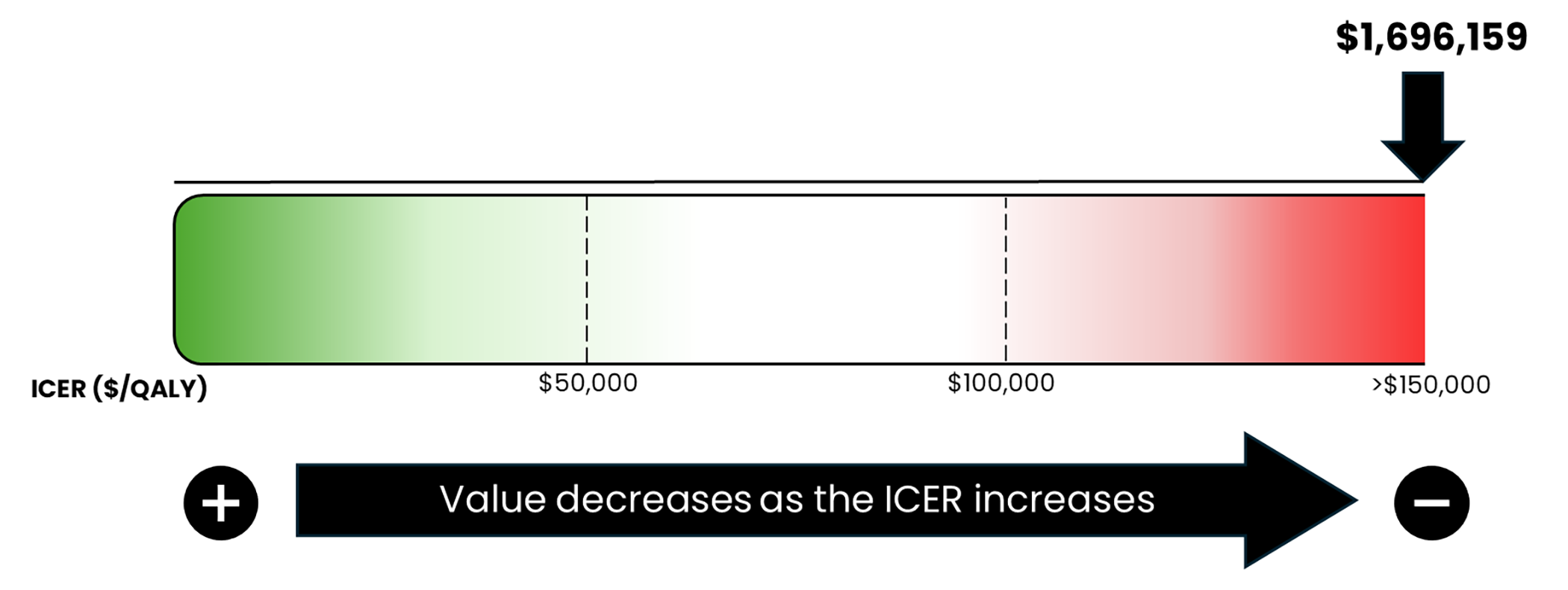
CDEC = Canadian Drug Expert Committee; ICER = incremental cost-effectiveness ratio; QALY = quality-adjusted life-year.
Certainty of the evidence: The estimated cost-effectiveness of palopegteriparatide plus conventional therapy compared to conventional therapy alone is highly uncertain due to uncertainty in the comparative clinical evidence, the absence of long-term comparative data, and uncertainty about the impact of palopegteriparatide on the complications associated with hypoparathyroidism. Although the PaTHway trial suggests treatment effects on relevant surrogate outcomes, evidence for the impact of palopegteriparatide on important clinical outcomes (e.g., renal complications) is unavailable. If the incremental QALYs with palopegteriparatide plus conventional therapy are lower than predicted in the CDA-AMC base case, further price reductions than those presented in the CDA-AMC Reimbursement Review report may be required.
Other considerations: The sponsor submitted an additional cost-effectiveness analysis adopting a societal perspective. In this analysis, the sponsor’s approach to estimating work productivity losses was uncertain due to a lack of relevant data. As a result of the lack of evidence relating to the impact of treatment for patients with chronic hypoparathyroidism on such outcomes, CDA-AMC was unable to present an analysis from the societal perspective.
Impacts on Health Systems
Anticipated budget impact: CDA-AMC estimates that the incremental budget impact of reimbursing palopegteriparatide for use in combination with conventional therapy will be approximately $549 million over the first 3 years, with an expected expenditure of $551 million on palopegteriparatide. The actual budget impact of reimbursing palopegteriparatide will depend on the proportion of patients whose hypoparathyroidism is not adequately controlled by conventional therapy, the proportion of patients with public drug plan coverage, the uptake of palopegteriparatide, and the proportion of patients who require 33 to 60 mcg palopegteriparatide per day. CDEC noted that the economic feasibility of adoption must be addressed.
Sources of Information Used by the Committee
To make its recommendation, the committee considered the following information (links to the full documents for the review can be found on the project webpage on the CDA-AMC website):
the CDA-AMC review of the clinical and pharmacoeconomic evidence submitted by the sponsor, as well as relevant ethical issues related to palopegteriparatide (refer to the Main Report and Supplemental Material document)
the sponsor’s comments on the draft report and the CDA-AMC responses
patients' perspectives gathered by 1 patient group, HypoPARAthyroidism Association (refer to the Patient and Clinician Group Input document)
input from a person with lived experience who delivered a brief presentation and answered questions from the committee (refer to the Person With Lived Experience section in this document)
input from 4 clinician groups, Canadian Endocrine Update and Canadian Endocrine Review Course; Dalhousie University Division of Endocrinology; Garneau Endocrine; and Metabolic Bone Diseases and Osteoporosis Clinic, St Joseph’s Healthcare, London (refer to the Patient and Clinician Group Input document)
input from public drug programs that participate in the reimbursement review process (refer to the Supplemental Material document)
input from 3 clinical experts with expertise in the management of hypoparathyroidism consulted by CDA-AMC.
Special thanks: CDA-AMC extends our special thanks to the individual who presented directly to CDEC, and to the patient organizations supporting the community of those living with chronic hypoparathyroidism, including the HypoPARAthyroidism Association.
General note: CDA-AMC makes every attempt to engage with people with lived experience as closely to the indication under review as possible; however, at times, CDA-AMC is unable to do so and instead engages with individuals with similar treatment journeys to ensure lived experience perspectives are included and considered in Reimbursement Reviews. CDA-AMC is fortunate to be able to engage with individuals who are willing to share their treatment journeys with CDEC.
Request for Reconsideration
The sponsor filed a request for reconsideration of the draft recommendation for palopegteriparatide as a PTH replacement therapy for the treatment of chronic hypoparathyroidism in adults. In their request, the sponsor identified the following issues:
The sponsor stated that CDEC assessed palopegteriparatide as an additive treatment to conventional therapy, defining value as incremental benefit rather than independence from conventional therapy. The sponsor requested CDEC to reassess clinical value using a PTH replacement therapy framework, rather than presuming ongoing add-on use to conventional therapy, comprising high doses of therapeutic calcium and active vitamin D.
The sponsor stated that CDEC expressed concern that the placebo group may have received suboptimal conventional therapy because thiazides were prohibited in the PaTHway trial, raising uncertainty that trial results reflect practice in Canada. The sponsor requested CDEC to acknowledge that the prohibition of thiazide diuretics in the PaTHway trial was a methodologically appropriate design choice intended to avoid confounding interpretation, and that this should not be interpreted as patients in the placebo group received suboptimal foundational conventional therapy.
The sponsor stated that CDEC noted that hypercalciuria and 24-hour urine calcium excretion are important outcomes, and the exclusion of this as an efficacy outcome was a notable limitation of the evidence informing the efficacy of palopegteriparatide. The sponsor requested CDEC to consider that the outcome of 24-hour urine calcium excretion could reasonably be positioned and analyzed as a safety end point in the PaTHway trial, serving as supportive evidence for the primary efficacy findings, and that its classification does not affect the methodological robustness of the data. The sponsor also requested CDEC to consider sustained normalization of urinary calcium and associated estimated glomerular rate improvements in the OLE as supportive evidence of plausible renal protection.
The sponsor stated that CDEC considered the post hoc subgroup analysis of those not adequately controlled by conventional therapy, which was submitted to support the reimbursement request, to be exploratory and uncertain due to potential bias and confounding because not adequately controlled was not a stratification factor. The sponsor requested CDEC to consider the totality of evidence from the PaTHway trial, recognizing the prespecified intention-to-treat analysis as the more methodologically robust, trial-defined estimate of treatment effect, and interpreting the findings from the subgroup of those not adequately controlled by conventional therapy as supportive context for the reimbursement-relevant population.
The sponsor stated that CDEC considered the evidence from the PaTHway trial uncertain because comparative data were limited to 26 weeks, with longer-term efficacy and safety evidence being noncomparative. The sponsor requested CDEC to align the recommendation deliberation with the CDA-AMC Grading of Recommendations Assessment, Development and Evaluation assessments of the PaTHway trial comparative efficacy outcomes at week 26, including high certainty for the primary composite end point and the reported certainty ratings for hypoparathyroidism symptoms, quality of life, and 24-hour urine calcium excretion. The sponsor also requested CDEC to acknowledge that the PaTHway trial was appropriately designed with a 26-week double-blind, placebo-controlled period followed by a 156-week OLE, with an overall trial duration of 182 weeks, and that longer-term data exist but are noncomparative by design to align with good clinical practice. The sponsor also requested CDEC to consider the 3.5-year, noncomparative, open-label findings from the PaTHway trial as additional evidence in the reconsideration process, as the final clinical study report of the 3.5-year results was not available for inclusion in the review at the time of the initial submission.
The sponsor stated that CDEC noted that the evidence is very uncertain about the effect of palopegteriparatide on physical functioning, compared to conventional therapy, particularly in the population not adequately controlled by conventional therapy, based on the Hypoparathyroidism Patient Experience Scale–Impact, physical functioning subscale. The sponsor requested CDEC to consider the entirety of the patient-reported outcomes evidence from the PaTHway trial, which is the first pivotal trial in hypoparathyroidism to consider quality of life end points.
In the meeting to discuss the sponsor’s request for reconsideration, CDEC considered the following information:
information submitted as part of the sponsor’s request for reconsideration
information from the initial submission related to the issues identified by the sponsor
new information provided by the sponsor to address an important clear gap in the evidence identified by CDEC
feedback from 3 clinical specialists with expertise in diagnosing and treating patients with chronic hypoparathyroidism
feedback on the draft recommendation from 2 patient groups, Osteoporosis Canada and HypoPARAthyroidism Association
feedback on the draft recommendation from 2 clinician groups, Garneau Endocrine, Kaye Edmonton Endocrine Clinic, and C-Endo Clinic; and Canadian Endocrine Update – McMaster University and Western University
feedback on the draft recommendation from the public drug program that participate in the reimbursement review process
feedback on the draft recommendation from the sponsor.
All feedback received in response to the draft recommendation is available on the project webpage.
CDEC Information
Members of the Committee
Dr. Peter Jamieson (Chair), Dr. Kerry Mansell (Vice-Chair), Sally Bean, Daryl Bell, Dan Dunsky, Dr. Ran Goldman, Dr. Trudy Huyghebaert, Dr. Dennis Ko, Dr. Christine Leong, Alicia McCallum, Dr. Srinivas Murthy, Dr. Nicholas Myers, Dr. Krishnan Ramanathan, Dr. Marco Solmi, Carla Velastegui, Dr. Edward Xie, and Dr. Peter Zed.
Initial meeting date: January 29, 2026
Regrets: Four expert committee members did not attend.
Conflicts of interest: None
Reconsideration meeting date: June 25, 2026
Regrets: One expert committee member did not attend.
Conflicts of interest: None
ISSN: 2563-6596
Canada’s Drug Agency (CDA-AMC) is a pan-Canadian health organization. Created and funded by Canada’s federal, provincial, and territorial governments, we’re responsible for driving better coordination, alignment, and public value within Canada’s drug and health technology landscape. We provide Canada’s health system leaders with independent evidence and advice so they can make informed drug, health technology, and health system decisions, and we collaborate with national and international partners to enhance our collective impact.
Disclaimer: CDA-AMC has taken care to ensure that the information in this document was accurate, complete, and up to date when it was published, but does not make any guarantee to that effect. Your use of this information is subject to this disclaimer and the Terms of Use at cda-amc.ca.
The information in this document is made available for informational and educational purposes only and should not be used as a substitute for professional medical advice, the application of clinical judgment in respect of the care of a particular patient, or other professional judgments in any decision-making process. You assume full responsibility for the use of the information and rely on it at your own risk.
CDA-AMC does not endorse any information, drugs, therapies, treatments, products, processes, or services. The views and opinions of third parties published in this document do not necessarily reflect those of CDA-AMC. The copyright and other intellectual property rights in this document are owned by the Canadian Agency for Drugs and Technologies in Health (operating as CDA-AMC) and its licensors.
Questions or requests for information about this report can be directed to Requests@CDA-AMC.ca.