Drugs, Health Technologies, Health Systems
Health Technology Review
Factors Influencing Travel for Locally Available Medical Imaging Services
Travelling for medical imaging services that are available locally — often referred to as hospital bypass — is influenced by patient-, provider-, and health system–level considerations. This report integrates evidence from the literature with the perspectives of patients, caregivers, hospital administrators, and health care providers to contextualize our understanding of the factors that contribute to the bypass of rural or remote medical imaging sites in Canada. Understanding these factors can inform strategies that strengthen imaging services and promote equitable access across geographic regions.
Key Messages
What Is the Issue?
Access to health services in rural and remote communities is essential to the well-being of the populations living in these communities. Medical imaging is a key component of health care, as it informs clinical diagnoses, treatment, and the monitoring of therapeutic responses.
Although many rural and remote health care centres offer imaging services, some individuals travel to larger urban centres for exams. Canada’s Drug Agency (CDA-AMC) was asked to explore why people living in rural or remote areas travel to urban centres for medical imaging exams that are also available closer to home.
What Did We Do?
To understand why some patients in Canada travel for medical imaging, we used a mixed-evidence approach, combining a targeted literature review with input from those closest to the issue: patients, caregivers, health care professionals, and administrators involved in delivering imaging services. This report aims to:
understand the perceptions and experiences that shape decisions about where to seek care
explore the provider and system factors that lead patients to obtain care at a facility other than the closest option
inform approaches to more equitable access to imaging across rural, remote, and urban settings.
What Did We Find?
Decisions to travel for care may be shaped by factors at the patient, provider, and system levels. Our analysis identified 5 main themes that may influence travel for medical imaging that is also available locally:
Accessibility and system capacity: Shorter wait times, access to advanced technologies, and perceived differences in image quality can influence where people receive care.
Clinical requirements and service offerings: Referral decisions may depend on access to specialists, the range of services offered, and the complexity of a patient’s condition.
Provider preferences and referral pathways: Awareness of available services and established referral practices contribute to travelling for care.
Convenience and perceived quality: Perceptions about differences in quality of care between rural or remote and urban centres can contribute to travel for medical imaging.
Patient circumstances and equity considerations: Past experiences and individual circumstances can also lead to travel for medical imaging. Equity-deserving groups may experience additional considerations, such as the need for culturally appropriate care.
What Does This Mean?
Patient travel for medical imaging reflects the complexity of how services are organized, accessed, and navigated across health systems. Key implications of travelling for medical imaging include the following:
Service distribution across rural, remote, and urban settings shapes demand patterns and patient flow.
Differences in capacity, referral processes, and service availability can influence where imaging is received, with potential effects on wait times.
Opportunities to better align referral practices with available local capacity exist, potentially enabling more consistent and predictable care pathways.
Variation in access to information and system navigation support has equity implications for different populations.
Abbreviations
CDA-AMC
Canada’s Drug Agency
CMII
Canadian Medical Imaging Inventory
MRT
medical radiation technologist
PCP
primary care provider
Context
Access to health services in rural and remote communities is essential to the well-being of the populations living in these communities, and ensuring services remain available and sustainable is a priority for health systems across Canada.1,2 Access to medical imaging is a key consideration, as imaging informs clinical diagnoses, treatment, and the monitoring of therapeutic responses.3 Although many rural and remote health care centres offer imaging services,4 a proportion of individuals continue to travel to larger urban centres for exams.5 Travelling to a site other than the closest one available for care is commonly referred to as hospital bypass.6,7 Rural or remote hospital bypass can impact the long-term sustainability of these sites. For example, bypass can increase wait times and lead to overcrowding at urban sites, which can impact patient outcomes and may contribute to the reduction of local services if anticipated demand is not met.7-11
When comparable services are available at both local and nonlocal sites, bypass is considered avoidable,1,5,8 while travelling for specialized care that is not available locally may be unavoidable.5,8 This report focuses on the implications of and potential solutions to avoidable bypass for medical imaging, while also describing examples of unavoidable bypass from the literature and engagement sessions with interested parties. In practice, many cases fall on a spectrum, and these classifications are indicative rather than definitive.
Bypass rates tend to be lower for emergencies than they are for elective or outpatient procedures,6,11-13 and individuals living in rural or remote areas are more likely to bypass than those in urban areas.13-15 Although hospital bypass has been studied in some clinical contexts, little is known about bypassing for medical imaging specifically.16 Available data suggest that travel patterns vary by imaging modality, with the longest travel times observed for CT and the shortest for ultrasound.16
Anecdotal evidence suggests that patients in Canada do not always obtain imaging at the closest available facility, and a range of patient-, provider-, and system-level factors may influence where individuals seek care. Understanding these factors in the Canadian context is key to informing health system planning and service delivery.5,16-18
This report is intended to support system learning and improvement opportunities, rather than attribute responsibility for where care is accessed. This report recognizes that accessing imaging outside one’s community can be appropriate in many instances. The factors that contribute to bypass represent potential opportunities to enhance rural or remote services, helping ensure they remain sustainable, high-quality, and responsive to the needs and preferences of the communities they serve.
Objectives
This report examines patient-, provider-, and system-level factors that influence where medical imaging services are accessed when they are available at both a rural or remote site and an urban centre. The findings presented in this report aim to support equitable, patient-centred access to medical imaging across geographic regions. This report offers insight into rural and remote hospital bypass for medical imaging in Canada by:
describing patient-level factors and considerations that influence the use of urban imaging facilities by people living in rural and remote communities when local services are also available
describing system- and provider-level factors that influence the patterns of medical imaging use across geographic regions.
Methods
This report synthesizes evidence from the literature with independent input from a primary care provider (PCP), medical radiation technologists (MRTs), radiologists, hospital administrators, and people with lived experience travelling for care (i.e., patients and caregivers). The term primary care provider was used to capture the various health care professionals who may be involved in delivering primary care (i.e., family physicians, emergency physicians, and nurse practitioners). Findings are presented through a narrative summary to identify recurring drivers and areas of convergence. This multifaceted approach aims to capture experiential insights from patients and providers that may not be fully represented in the available literature to produce a comprehensive, evidence-informed report.
Literature Review Methods
A literature review was conducted on the topic of why people travel for care (and medical imaging) that is also available locally. An information specialist prescreened results for relevance, and 1 author screened results to select literature based on predetermined inclusion and exclusion criteria. Refer to Appendix 1 for the full literature search strategy and article inclusion and exclusion criteria.
Engagement Methods
To contextualize the factors contributing to bypass for medical imaging reported in the literature, we invited health care providers and people with lived experience to engage with us and share their perspectives on the issue. We offered virtual engagement sessions, individual consultations, or written responses to all who expressed interest. We held two 1.5-hour focus group sessions with patients and caregivers. Administrators and health care providers chose to provide written responses. The questions used to solicit input were tailored to the perspectives of each group of respondents. The full set of questions and summaries describing the engagement sessions are available in Appendix 1 (Patient and Caregiver Engagement Summary, Provider and Hospital Administrator Engagement Summary).
Individuals who have experience with travelling for medical imaging and who work or live in rural or remote regions were identified through the Canada’s Drug Agency (CDA-AMC) patient and provider network. The perspectives of 1 patient and 1 provider in urban areas were also included to reflect the bidirectional nature of bypass, and to capture the experience of providers who receive referrals from rural and remote sites. Overall, respondents included:
5 individuals with lived experience
3 MRTs
2 hospital administrators
2 radiologists
1 PCP.
Results
Five themes driving rural and remote hospital bypass were identified: Accessibility and system capacity, clinical requirements and service offerings, provider preferences and referral pathways, convenience and perceived quality, and patient circumstances and equity considerations.
Bypass can either be avoidable or unavoidable. Unavoidable bypass is driven by structural gaps (e.g., lack of advanced imaging or specialty care), while avoidable bypass arises from factors that are potentially more modifiable through system improvements (e.g., wait times, referral practices, coordination, and perceptions of quality).
System capacity and access barriers are drivers of bypass. Differences in wait times, limited availability of advanced technologies (e.g., MRI and CT), and challenges accessing imaging results may lead patients and providers to prefer urban centres for medical imaging.
Clinical needs and service availability often necessitate bypass. Availability of specialized services, workforce capacity, coordinating multiple appointments, and management of complex conditions may drive travel to urban centres.
Provider preferences and referral processes contribute to avoidable bypass. Established referral habits, limited coordination, limited awareness of local services, and reliance on informal networks can direct patients to urban centres, even when local options exist.
Perceptions, convenience, and equity shape patient decisions. Preferences for larger hospitals, perceived quality differences, continuity with trusted providers, travel considerations, and social factors (e.g., income, caregiver support, cultural safety) contribute to inequitable bypass patterns. Individuals with higher incomes or more supports available may be better positioned to choose where they receive care.
Results are presented by theme, integrating findings from the literature with what we heard when engaging with patients and providers (where available). Two factors — differences in image quality (real or perceived) and access to results — were identified through engagement with patients and providers only and were not identified in the reviewed literature. For reporting purposes, MRTs, hospital administrators, PCPs, and radiologists are collectively referred to as “providers.” A summary of all identified factors that contribute to hospital bypass for medical imaging, organized by theme, is provided in Appendix 1.
The 5 major themes that arose during the literature review and engagement sessions were:
accessibility and system capacity
clinical requirements and service offerings
provider preferences and referral pathways
convenience and perceived quality
patient circumstances and equity considerations.
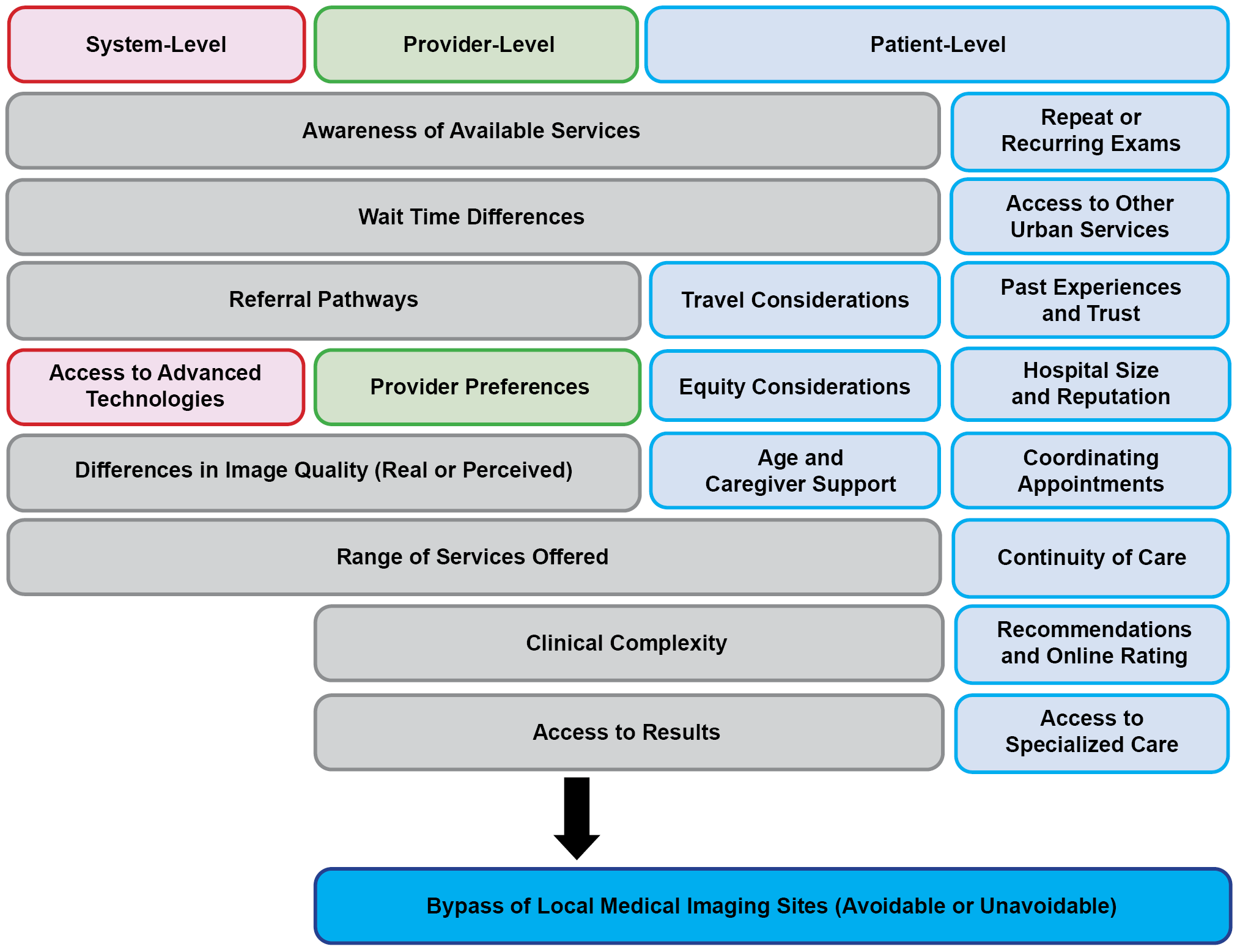
Figure 1 outlines the range of factors that may influence bypass, categorized at the system, provider, and patient levels.
A distinction is made between unavoidable bypass (driven by structural service gaps where rural or remote sites cannot provide required services), and avoidable bypass (where services are technically available locally but patients receive care elsewhere).19,20 This distinction has equity implications, as the burden of both avoidable and unavoidable bypass is not shared equally across all patient groups. First Nations, Inuit, and Métis Peoples, racialized communities, newcomers to Canada, and individuals with limited proficiency in English or French may face greater barriers related to travel, cost, access to information, or trust in local services.19,20
Figure 1: System-, Provider-, and Patient-Level Factors Contributing to Rural or Remote Bypass for Medical Imaging Services
Accessibility and System Capacity
Wait Time Differences
The literature suggests wait times as a primary driver of travel for medical imaging, influencing both patient choice5,6,21,22 and providers’ referral patterns.23 One study noted that rural and remote regions that were served by itinerant sonographers for 1 to 2 days per month reported longer wait times, leading some residents to seek care elsewhere.5 Patients may also be more likely to choose clinics offering online self-scheduling tools, and may be willing to travel further for earlier appointments.24
During our engagement sessions, both patients and providers suggested that wait time comparisons can work in both directions: urban residents may travel to rural sites when rural capacity is available, and rural residents may travel to urban centres when wait times are shorter.
Providers noted that referrals to urban centres are sometimes made specifically because no timely, local option exists for a particular exam. In provinces with centralized intake systems, referrals are triaged based on patient willingness to travel and the shortest available wait time for an exam. Bypass driven by wait time differences may be avoidable, as disparities can shift in both directions depending on local capacity.
Access to Advanced Technologies
Access to advanced technologies influences both patient decisions on where to access care and provider referral patterns.22 Canadian Medical Imaging Inventory (CMII) data confirm that, overall, urban regions have a higher percentage of MRI units with stronger field strengths and CT units with higher slice counts than rural or remote regions. In urban areas, 21% of CT units have a slice count of 256 or higher, and 20% of MRI units have a field strength of 3 T. Conversely, in rural or remote regions, 11% of CT units have a slice count of 256 or higher, and there are no MRI units with a field strength of 3 T.25,26 Refer to Appendix 1 for total CT and MRI unit counts by region.
Providers noted that bypass occurs most commonly for CT and MRI but also occurs for X-ray and ultrasound. Providers also indicated that referrals for both specialized and routine nuclear medicine exams are typically directed to tertiary urban centres due to the availability of equipment and materials (such as radioisotope availability), highlighting an imaging access and equity consideration for people living in rural and remote areas.
Some studies report that adding services or technologies to rural or remote sites may have a modest effect on patient and provider decision-making, where preferences may already be entrenched.12,27,28 The providers we engaged with cautioned that investment in equipment alone, without accompanying efforts to build awareness and confidence in local services, may not produce anticipated changes in use patterns. Bypass related to the absence of advanced imaging equipment is largely unavoidable, reflecting structural service gaps.
Differences in Image Quality (Real or Perceived)
The patients we engaged with expressed a preference for sites with newer equipment or higher perceived imaging capability, in part to reduce the likelihood of needing to repeat exams. Providers we engaged with noted that imaging is sometimes repeated when patients are referred from rural to urban sites, particularly where there is no established relationship between referring and receiving radiologists or where reporting standards differ.
Distinguishing between genuine and perceived differences in image quality can help clarify where real differences exist. Providers noted that they have observed some patients may assume imaging quality is superior at large tertiary centres, even when rural equipment and reporting standards are equivalent. Bypass driven by perceived rather than actual differences in image quality may be avoidable.
Access to Results
The patients we engaged with noted that larger urban sites may offer streamlined access to imaging results, including previous exam history. Different systems used between urban and rural or remote sites are often not interoperable, meaning results do not transfer between sites. Providers reiterated this, noting that results obtained at an urban centre can be accessed directly by in-house specialists — a practical advantage we heard that some patients value — and that rural sites cannot easily replicate this without investment in shared information infrastructure.
We also heard that challenges in timely access to imaging results, including between sites, can reinforce perceptions that urban centres offer better care, even when image quality is comparable and may contribute to unnecessary repeat imaging. Bypass driven by noninteroperable results systems may be avoidable.
Clinical Requirements and Service Offerings
Access to Specialized Care
The literature suggests that sites without specialized care are more frequently bypassed, even when patients are not seeking specialized services.29 Patients may also be more likely to choose sites where images are interpreted by specialized radiologists,24 and some may prefer consultations with specialists for a wide range of conditions.18
In our engagement activities, patients and providers noted that travel is sometimes required for specialized care not offered at rural or remote sites, indicating that some bypass may be unavoidable. Providers noted that, in some instances, technicians are not available for specialized exams and patients must be transferred to urban centres for exams that could otherwise be offered at rural or remote sites. Bypass attributed to workforce challenges, rather than service limitations, is not necessarily based on patient or provider choice and therefore may be unavoidable.
Providers observed that specialists at urban centres can also typically expedite imaging requests at centres they are affiliated with, whereas PCPs at rural or remote centres may need to send referrals to multiple sites, which can create logistical delays that they feel may discourage local access.
Coordinating Multiple Appointments
Both the literature and the patients we engaged with noted a preference for centres offering comprehensive health services or strong affiliations with other sites to support coordinated appointments and follow-up care.30,31 Patients noted the ability to combine an imaging exam with a specialist consultation on the same day as an advantage of urban centres, particularly given the distances that may be involved in travelling for care. Providers confirmed that specialist consultations are typically coordinated at urban sites to immediately follow imaging, a level of coordination that is harder to achieve in rural and remote settings. Bypass driven by the need to combine imaging with specialist consultation or other follow-up care may be largely unavoidable.
Range of Services Offered
The literature suggests that hospitals that do not offer a broad range of services are more likely to be bypassed, even when patients are not seeking those specific services.6 Sites without supports such as mental health care, pediatric services, or specialized care may be bypassed as patients seek care at urban centres for more comprehensive follow-up.11,32 Informed patients may also request certain services that are only available in urban centres.11,33
Providers we engaged with suggested that referral decisions for imaging are sometimes guided by the anticipated need for interventions available at larger urban centres. They also noted that some small or medium-sized sites indicate that they cannot handle certain imaging requests and referrals must be rerouted to urban centres. Patients noted that access to a broader range of services is sometimes a deliberate consideration when planning care, particularly for individuals managing complex or ongoing conditions who anticipate needing follow-up beyond imaging alone. Bypass driven by the anticipated need for services beyond imaging may be largely unavoidable.
Clinical Complexity
The literature suggests that individuals with multiple chronic or complex conditions are more likely to bypass rural or remote hospitals11,27,31,34-36 and are more likely to perceive local sites as less equipped to manage their needs.29,36 Patients and providers we engaged with noted that while certain imaging modalities are available at some rural centres, they may not offer specialized exams (e.g., cardiac MRI). Providers also emphasized that patients who need imaging for some complex conditions are directed to urban centres when rural and remote sites may be unable to perform specialized or time-sensitive imaging. Bypass among patients with complex or chronic conditions may be unavoidable, particularly when rural sites cannot provide the full range of imaging or follow-up care required.
Referral Pathways and Provider Preferences
Referral Pathways
The literature suggests that patients often rely on health care providers to guide referral decisions and are more likely to choose clinics recommended by their PCP.11,24 Physicians may draw on past experiences, established connections, and familiarity with local systems when determining where to send referrals.14,32,33 However, referral pathways are not always well coordinated, which can lead to reduced system efficiency and increased travel for patients.37,38
The referring providers we engaged with noted that referral processes follow regional care plans unless specialist attention is required, and that urban referrals are sometimes necessary based on capacity for certain exams or clinical expertise. In the absence of provincial central intake systems for imaging requests, both patients and providers described how referrals from all geographic regions are often sent to multiple sites simultaneously to obtain the shortest wait time. Patients noted that they may need to contact several sites to find an appointment themselves. We heard from both patients and providers that unused referrals often go uncancelled and can contribute to no-shows, obscuring the true demand for imaging services. Bypass resulting from fragmented referral pathways may be avoidable.
Provider Preferences
The literature suggests that some referring providers consider site affiliations, previous experiences, established protocols, and patient preferences when deciding where to send referrals.33 The providers we engaged with noted a preference for sites where they have relationships with radiologists, as this can support timely reporting that meets expected quality and format standards. Provider referral habits may entrench bypass patterns that reflect relationship networks and institutional familiarity rather than proximity of appropriate care.
The patients and providers we engaged with suggested that individuals who are more experienced in navigating the health care systems may be better equipped to request alternate pathways or ask questions about referral options. In contrast, those who are less familiar with the health care systems may follow provider recommendations without knowing that alternatives exist. The patients most influenced by provider preferences may be least able to question or redirect a referral. Bypass driven by referral habits and familiarity rather than clinical need may be avoidable.
Awareness of Available Services
According to the literature, in some cases, providers are unaware of the availability of local medical imaging services and send referrals to urban centres by default.11,23,33 The providers we engaged with noted that frequent staff turnover can result in some referrers being unaware of rural or remote clinics with the same imaging capabilities as tertiary urban centres (including nuclear medicine exams). Bypass resulting from incomplete provider knowledge of local imaging capabilities may be avoidable.
Convenience and Perceived Quality
Hospital Size and Reputation
The literature suggests that bypass decreases as hospital size increases,6,12,29 and low-volume hospitals tend to be bypassed even when they offer the desired services.9,10,12,31,32 Sites with fewer full-time staff,39 lower PCP density,29 and lower nurse-to-patient ratios32 are reportedly more likely to be bypassed. Some rural or remote residents may perceive care to be better in large urban centres,11,22,27,33 and some providers we engaged with observed that some patients assume imaging quality is higher at larger tertiary centres. Bypass driven by perceptions of quality rather than actual differences may be avoidable.
Recommendations and Online Ratings
According to the literature, the experiences of friends or family can influence where patients choose to seek care,40 and sites with fewer patient recommendations tend to be bypassed more often.32,39 Hospital appearance can also impact perceptions of care quality.11 Online ratings of both hospitals and physicians have been shown to influence patient satisfaction and decisions on where to seek care.15,24,40,41 Bypass influenced by reputation or appearance may be avoidable.
Continuity of Care
The literature shows that patients may accept longer travel times to access care at sites where they have developed relationships with trusted PCPs or specialists and continue visiting that site, even for routine follow-ups that could be completed locally.11,40,41
Patients we engaged with noted that they are willing to travel to urban centres for both specialty and routine appointments for continuity with care teams that are familiar with their condition and medical history. Patients also noted that accessing care across multiple centres creates anxiety, as they often must re-explain their clinical histories to new care teams. Bypass driven by need or preference for continuity with specialists managing complex conditions is context dependent and may be either avoidable or unavoidable.
Access to Other Urban Services
The literature suggests that accessing care in urban centres provides rural or remote residents the opportunity to combine medical appointments with visits to family, leisure, shopping, or other activities not available locally.5,11,40 Providers we engaged with shared similar observations, and patients acknowledged it as a practical way to offset the burden of travel distances when an urban trip is already necessary. Bypass that allows patients to combine medical and nonmedical activities reflects the broader burden of rural or remote travel rather than a gap in local service quality and is not easily classified as avoidable or unavoidable.
Patient Circumstances and Equity Considerations
Repeat or Recurring Exams
The literature suggests that individuals who require frequent or recurring imaging exams may seek shorter travel times to reduce costs associated with travel when accessing care.24 Providers we engaged with noted that patients with chronic conditions (e.g., oncologic or cardiologic) may benefit from local imaging services due to the cumulative travel burden of multiple follow-up exams. Patients noted that repeat travel for imaging exams can result in missed work, caregiver strain, increased personal cost (when not publicly covered), and delays due to logistical barriers. For patients requiring frequent imaging, the cumulative burden of repeated travel to urban centres may represent avoidable bypass when comparable local services exist.
Age and Caregiver Support
The literature suggests that patients aged 50 or older are less likely to bypass local rural centres than those aged 18 to 34.11,27,29 One study showed that those aged 80 years or older with lower incomes are more likely to use their closest facility for mammography exams.17 Patients of all ages with a spouse or caregiver were reported to be more likely to bypass their nearest site as caregiver support enables travel that would otherwise not be feasible.29,35 Providers we engaged with suggested that patients without a willing caregiver are more likely to decline urban referrals when long travel times are involved, and that irregular appointment times increase reliance on caregivers for those who do travel. Bypass patterns related to age and caregiver availability are complex and are not easily categorized as avoidable or unavoidable.
Past Experiences and Trust
The literature suggests that patients who become dissatisfied with their treatment tend to change physicians and are willing to accept longer travel distances to access care that meets their expectations.11,15,29,32,40,41 Patients and providers we engaged with also suggested that previous negative experiences at a local hospital — such as a missed or late diagnosis — may result in an enduring loss of trust that can persist even after changes such as staff turnover, equipment upgrades, or quality improvements.40,41 Bypass driven by past negative experiences at local sites is difficult to categorize as avoidable or unavoidable, as trust may not be easily restored once lost.
Travel Considerations
According to the literature, individuals living in rural or remote regions that are geographically closer to the first available urban hospital are more likely to bypass their local centre than those further away.6,29,31,34 Barriers including fear of travel, isolation from family, lack of financial means,6 and suboptimal travel conditions5 can prevent some patients from seeking care outside of their communities. Also, some patients are reportedly more likely to choose a clinic with abundant parking.24
The literature suggests that those with a willing caregiver and the financial means are more likely to travel to urban centres when comparable services are offered elsewhere.29,35 Patients we engaged with noted that inclement weather can make travel from rural or remote regions difficult. Providers we engaged with also noted that patients with limited transportation or lower incomes may be more likely to decline urban referrals and may not complete imaging exams that are not offered locally. When travel barriers lead patients to forgo imaging altogether, this represents a gap in access rather than avoidable or unavoidable bypass.
Equity Considerations
Travel burden can disproportionately affect Indigenous populations living outside of major urban centres. In 1 study, Indigenous women in the US experienced travel times 2 to 3 times longer than women in other ethnic groups, and those living on reservations had a 132% higher likelihood of bypassing their nearest health care centre.14 In Canada, many remote and northern communities have predominantly First Nations, Inuit, and Métis populations, and these populations may consider the availability of culturally appropriate and safe care when deciding where to access health services.5,14 Another study reported that other diverse populations may elect to access care at large urban centres due to the perceived risk of racial discrimination or negative past experiences at smaller rural or remote sites.14
Providers we engaged with noted that patients from rural or remote communities are generally accustomed to travelling long distances for care, especially for specialized imaging. For those living in remote and northern communities, travelling for care can involve complex travel arrangements, cultural and social displacement, and limited access to services in their spoken languages. In Nunavut and the Northwest Territories, the absence of fixed MRI units (as of 2022–2023)4 means patients must travel out of territory for these exams, making bypass unavoidable.
Newcomers to Canada and individuals with limited English or French proficiency may face additional barriers — such as a lack of interpretation services or unfamiliarity with the health systems in Canada — which may further limit access to local imaging services.42,43 Also, as providers we engaged with noted, patients with fewer resources are more likely to forgo imaging exams that are not offered locally.
Taken together, these findings suggest that bypass behaviour for medical imaging in Canada is not random and may be impacted by broader structural inequities. Individuals with greater resources and flexibility (such as higher incomes and access to private transportation) are better positioned to exercise choice about where they receive care. In contrast, individuals with fewer resources may be more likely to rely on local options, delay care, or forgo imaging altogether.42,43
Limitations
The information presented in this report is not a formal systematic review, and a quality appraisal of included studies was not undertaken. The evidence should therefore be interpreted as illustrative and suggestive, rather than comprehensive and definitive. Although a structured search was conducted, the body of evidence identified focused on a variety of conditions and procedures across multiple countries, and as such, may not always be applicable to the Canadian environment.
Available literature commonly focused on hospital bypass in the US, where decisions to travel for care are also influenced by insurance payer preferences.44 Studies also vary in their definition of rural hospital bypass (i.e., bypassing a certain centre or a predefined region), and did not always verify if the nearest available hospital provided the service in question.22 Most available literature also focused on a single treatment or clinical condition, and no literature was identified specifically on bypassing medical imaging services in Canada. These inconsistencies limit comparability and generalizability and may introduce uncertainty when applying findings to the bypass of medical imaging services in Canada.
The qualitative engagement findings were based on a sample of 13 patient, provider, and administrator perspectives. While these perspectives provide valuable contextual insight, they are limited to those who participated in the engagement activities and may not represent the diverse viewpoints of all who are affected by travelling for medical imaging. Participants were recruited through existing networks and may represent individuals who are more engaged, informed, or experienced in navigating the health system. Therefore, the perspectives of individuals who face the greatest barriers to accessing care may be underrepresented. Also, patients and caregivers participated in group discussions that enabled a deeper exploration of perspectives, while providers elected to respond to questions via email, limiting the depth of information collected. These differences may influence the comparability of perspectives presented in this report.
The quantitative insights related to imaging capacity (i.e., estimations of MRI and CT unit strengths) are based on self-reported data on unit specifications and rural and remote or urban status from the CMII as of 2023.25,26 Participation in the survey is voluntary and coverage is incomplete, so estimates may not fully represent all imaging units within each jurisdiction.
Decisions about where to access medical imaging services are complex, multifaceted, and context dependent. Therefore, it is not always possible to identify the determining factors that contribute to bypass of medical imaging services in Canada, especially at the patient or site levels. As such, the findings presented in this report should be interpreted as descriptions of common patterns and drivers, rather than definitive causal relationships.
Implications for Decision-Making
The findings in this report indicate that bypass of rural and remote medical imaging services in Canada is influenced by a mix of system-level factors, provider practices, and patient preferences. While patient choice exists, decisions to travel for care are largely influenced by structures within the health care systems, such as service availability, awareness of local services, and referral management.
Differences in wait times, referral pathways, and awareness of local service capacity can influence access patterns, while patient preferences related to perceived quality, continuity of care, and convenience also play an important role. Across these dimensions, there are equity considerations: individuals with greater resources and flexibility are often better positioned to access care beyond their local communities, whereas those facing structural or personal constraints may be more likely to rely on local services, delay care, or forgo imaging altogether.
Rural or remote hospital bypass has implications for local service delivery, the sustainability of smaller hospitals, and patient outcomes.6,13,17 Strengthening medical imaging in rural and remote regions can support the appropriate use of local services and may contribute to more equitable imaging access across Canada.29,31 Based on the literature we reviewed and perspectives of patients and providers we engaged with, considerations to improve access at rural or remote imaging centres and potentially reduce avoidable bypass may include the following.
Improving Referral Pathways
Referral decisions may be influenced by provider preferences and existing relationships, rather than timely access and availability of local services.
Improving consistency, transparency, and communication at the point of referral can support appropriate site selection to help ensure local options are considered (when available).11,16,21,24,33,45
Strengthened coordination between referring physicians, radiologists, and administrators may streamline and standardize care pathways.14,22,31,45
Incorporating culturally appropriate and equitable care may help reduce avoidable bypass for diverse populations.14
Implementing Central Intake Systems
Central intake systems can triage and route referrals to align imaging demand with system capacity and patient preferences for travel.
Bidirectional patient flow (i.e., urban to rural or rural to urban) can also support more balanced resource use.46-48
Canadian evidence suggests that directing patients willing to travel to sites with shorter wait times can reduce imaging delays, improve referral distribution, enhance access, and support more equitable services across regions.46-48
Enhancing Awareness of Available Local Services
Limited awareness of local service capacity can lead to referrals being sent to urban centres by default when comparable local options also exist.9,19,21
Improving data sharing and system coordination presents an opportunity to better align demand with local capacity.49-51
Education and awareness initiatives across levels of health care staff on wait times, service availability, and clinic capabilities can support informed decision-making and help patients access care closer to home when appropriate.11,21,23,33
Improving Image Sharing and Interoperability
As noted by the patients and providers we engaged with, limited interoperability between some urban, rural, and remote imaging systems can contribute to repeated imaging and uncoordinated care. Also, lack of access to prior imaging results between sites can reduce efficiency and continuity of care.
Standardized image sharing and result transfer across picture archiving and communication systems can improve coordination and reduce unnecessary repeat imaging exams.
Improved information sharing may also reduce patient burden, including the need to repeatedly explain clinical history when accessing care at new sites.
Supporting Access for Equity-Deserving Groups
Individuals in remote and northern communities may face additional structural barriers beyond service availability, and current bypass interventions may disproportionately benefit individuals with greater ability to navigate complex health systems.
Financial constraints, transportation challenges, mobility limitations, and lack of caregiver support further restrict access.
Addressing language barriers, supporting culturally safe care for Indigenous and racialized communities, and building trust through community-led outreach may support equitable access to imaging services for populations facing barriers beyond local service availability.52
Conclusion
This report combines patient, provider, and administrator perspectives with findings from the literature to better understand why people in Canada travel for medical imaging services that are also available locally. Reasons for bypassing rural or remote centres involve patient, provider, and health system factors. Understanding the reasons why patients bypass rural or remote sites for urban centres can help improve medical imaging services in these regions, which are important to the health and economic well-being of their communities.
The factors that contribute to the bypass of rural or remote sites for urban centres have implications beyond individual patients. Ensuring that rural and remote facilities are well utilized supports the long-term stability of local services for communities that already experience barriers to accessing care. At the same time, avoidable bypass can have system-wide effects, such as congestion in urban centres and longer wait times. Underutilized resources in rural or remote regions can also result in service reductions or potential closures, which impacts the community and may have disproportionate impacts on vulnerable populations.
Travel to urban sites that consolidate specialized services reflects system flexibility and may be beneficial when it enables timely access to appropriate care for complex conditions. However, some patients may also benefit from improved awareness and streamlined access to locally available medical imaging services when they are unable to travel or prefer to remain in their communities for care.
Equity remains a central consideration for both avoidable and unavoidable bypass. Improving imaging services in rural and remote regions can reduce disparities in health care delivery, remove travel obstacles for some patients, and may support improved outcomes with early detection. Those least able to travel due to a range of sociodemographic considerations may also be the least likely to benefit from system improvements that require the ability to navigate the health systems or self-advocate for care.
References
1.CIHI. Travel Burden for Hospital Care in Canada. 2024. Accessed April 20, 2026. https://www.cihi.ca/en/travel-burden-for-hospital-care-in-canada
2.CIHI. Taking the Pulse: Measuring Shared Priorities for Canadian Health Care (2025). CIHI. 2025. Accessed April 23, 2026. https://www.cihi.ca/en/taking-the-pulse-measuring-shared-priorities-for-canadian-health-care-2025
3.Abhisheka B, Biswas SK, Purkayastha B, et al. Recent Trend in Medical Imaging Modalities and Their Applications in Disease Diagnosis: A Review. Multimedia Tools and Applications. 2023;83(1):43035-43070. doi:10.1007/s11042-023-17326-1
4.CADTH. The Canadian Medical Imaging Inventory (2022-2023). Canadian Journal of Health Technologies. 2020;1(1).
5.Adams S, Babyn P, Burbridge B, Tang R, Mendez I. Access to Ultrasound Imaging: A Qualitative Study in Two Northern, Remote, Indigenous Communities in Canada. Int J Circumpolar Health. 2021;80(1). doi:10.1080/22423982.2021.1961392 PubMed
6.Malone T, Holmes M. Patterns of hospital bypass and inpatient care‐seeking by rural residents: findings brief. NC Rural Health Research Program; 2020. https://www.shepscenter.unc.edu/download/19945/?tmstv=1768921398
7.Bourne DS, Sun Z, Jacobs BL, et al. Association of a State-Wide Alternative Payment Model for Rural Hospitals With Bypass for Elective Surgeries. Health Serv Res. 2025;60(3):e14442. doi:10.1111/1475-6773.14442 PubMed
8.Friedman HR, Lewis V, Planey AM, Greenwood-Ericksen M, Maddox KJ, Holmes GM. Quality of Care, Hospital Bypass, and Follow-Up Visits Following an ED Visit for Rural Heart Failure Patients. Health Serv Res. 2025:e70079. doi:10.1111/1475-6773.70079 PubMed
9.Harris S, McGarvey R, Thorsen A, Thorsen M. Inferred Attractiveness Gravity-Based Models for Estimating Realized Access at Rural Hospitals. The Journal of the Operational Research Society. 2025;76(5):984-999. doi:10.1080/01605682.2024.2406236 PubMed
10.Hung P, Gao H, Liu J, et al. Severe Maternal Morbidity and Mortality After Delivery Hospitalization Among Rural Residents Bypassing Local Care for Urban Hospitals. JAMA network open. 2025;8(11):e2544522. doi:10.1001/jamanetworkopen.2025.44522 PubMed
11.CMS Office of Minority Health. Examining Rural Hospital Bypass for Outpatient Services. Centers for Medicare & Medicaid Services; 2021. Accessed January 1, 1800. https://www.cms.gov/files/document/examining-rural-hospital-bypass-outpatient-services.pdf
12.Centers for Medicare & Medicaid Services. Understanding Rural Hospital Bypass Among Medicare Fee-for-Service (FFS) Beneficiaries in 2018. (Data highlight no. 19). 2020. Accessed January 1, 1800. https://www.cms.gov/files/document/hospitalbypassamongmedicaredatahighlightsept2020-1-1.pdf
13.Propper C, Damiani M, Leckie G, Dixon J. Impact of patients' socioeconomic status on the distance travelled for hospital admission in the English National Health Service. J Health Serv Res Policy. 2007;12(3):153-9. doi:10.1258/135581907781543049 PubMed
14.Thorsen ML, Harris S, Palacios JF, McGarvey RG, Thorsen A. American Indians travel great distances for obstetrical care: Examining rural and racial disparities. Social science & medicine (1982). 2023;325:115897. doi:10.1016/j.socscimed.2023.115897
15.Mohr N, Langenbruch A, Augustin J, Kirsten N, Augustin M, Andrees V. Psoriasis care in Germany: do patients who receive better care travel longer? Research in health services & regions. 2022;1(1):8. doi:10.1007/s43999-022-00008-0 PubMed
16.Rosenkrantz A, Liang Y, Duszak R, Recht M. Variation in Patients' Travel Times Among Imaging Examination Types at a Large Academic Health System. Acad Radiol. 2017;24(8):1008-1012. doi:10.1016/j.acra.2017.02.017 PubMed
17.Alford-Teaster J, Lange J, Hubbard R, Lee C, Haas J, et al. Is the Closest Facility the one Actually Used? An Assessment of Travel Time Estimation Based on Mammography Facilities. . International Journal of Health Geographics 2016;12(8). doi:10.1186/s12942-016-0039-7 PubMed
18.Arslan IG, Huls SPI, de Bekker-Grob EW, et al. Patients', healthcare providers', and insurance company employees' preferences for knee and hip osteoarthritis care: a discrete choice experiment. Osteoarthritis Cartilage. 2020;28(10):1316-1324. doi:10.1016/j.joca.2020.07.002
19.Qi M, Santos H, Pinheiro P, McGuiness D, Bennet K. Demographic and socioeconomic determinants of access to care: A subgroup disparity analysis using new equity-focused measurements. PLoS One. 2023;18(11). doi:10.1371/journal.pone.0290692 PubMed
20.Tanner E, Vann R, Kizilova E. Consumer-level perceived access to health services and its effect on vulnerability and health outcomes. Journal of Public Policy and Marketing. 2020;39(2):240-55.
21.Ricci A, Barzan E, Longo F. How to identify the drivers of patient inter-regional mobility in beveridgean systems? Critical review and assessment matrix for policy design & managerial interventions. Health Serv Manage Res. 2021;34(4):258-268. doi:10.1177/0951484820962293 PubMed
22.Aggarwal A, Lewis D, Mason M, Sullivan R, van der Meulen J. Patient Mobility for Elective Secondary Health Care Services in Response to Patient Choice Policies: A Systematic Review. Med Care Res Rev. 2017;74(4):379-403. doi:10.1177/1077558716654631 PubMed
23.Ringard A. Why do general practitioners abandon the local hospital? An analysis of referral decisions related to elective treatment. Scand J Public Health. 2010;38(6):597-604. doi:10.1177/1403494810371019 PubMed
24.van den Broek-Altenburg E, Benson J, Artherly A, DeStigter K. Patient Preferences for Diagnostic Imaging Services: Decentralize or Not? . PLoS One. 2025;20(5). doi:10.1371/journal.pone.0301404 PubMed
25.CDA-AMC. Canadian Medical Imaging Inventory 2022-2023: CT. Canadian Journal of Health Technologies. 2024;4(8).
26.CDA-AMC. Canadian Medical Imaging Inventory 2022-2023: MRI. Canadian Journal of Health Technologies. 2024;8(8).
27.Weigel PAM, Ullrich F, Finegan CN, Ward MM. Rural Bypass for Elective Surgeries. The Journal of rural health: official journal of the American Rural Health Association and the National Rural Health Care Association. 2017;33(2):135-145. doi:10.1111/jrh.12163 PubMed
28.Escarce JJ, Kapur K. Do patients bypass rural hospitals? Determinants of inpatient hospital choice in rural California. J Health Care Poor Underserved. 2009;20(3):625-44. doi:10.1353/hpu.0.0178 PubMed
29.Liu JJ, Bellamy G, Barnet B, Weng S. Bypass of local primary care in rural counties: effect of patient and community characteristics. Ann Fam Med. 2008;6(2):124-30. doi:10.1370/afm.794 PubMed
30.Roh CY, Lee KH, Fottler MD. Determinants of hospital choice of rural hospital patients: the impact of networks, service scopes, and market competition. J Med Syst. 2008;32(4):343-53. doi:10.1007/s10916-008-9139-7 PubMed
31.Roh C-Y, Moon MJ. Nearby, but Not Wanted? The Bypassing of Rural Hospitals and Policy Implications for Rural Health Care Systems. Policy Studies Journal. 2005;33(3):377-394. doi:10.1111/j.1541-0072.2005.00121.x
32.Schwartz LM, Woloshin S, Birkmeyer JD. How do elderly patients decide where to go for major surgery? Telephone interview survey. BMJ. 2005;331(7520):821. doi:10.1136/bmj.38614.449016.DE PubMed
33.Blix BH, Hovind V, Ingebrigtsen T. Factors affecting general practitioners' referrals of patients to hip and knee arthroplasty: a focus group study from Northern Norway. BMC Health Serv Res. 2025;25(1):727. doi:10.1186/s12913-025-12774-x PubMed
34.Mohr NM, Harland KK, Shane DM, et al. Rural Patients With Severe Sepsis or Septic Shock Who Bypass Rural Hospitals Have Increased Mortality: An Instrumental Variables Approach. Crit Care Med. 2017;45(1):85-93. doi:10.1097/CCM.0000000000002026 PubMed
35.Saunders C, Bellamy GR, Menachemi N, Chukmaitov AS, Brooks RG. Bypassing the local rural hospital for outpatient procedures. The Journal of rural health: official journal of the American Rural Health Association and the National Rural Health Care Association. 2009;25(2):174-81. doi:10.1111/j.1748-0361.2009.00214.x PubMed
36.Radcliff TA, Brasure M, Moscovice IS, Stensland JT. Understanding rural hospital bypass behavior. The Journal of rural health: official journal of the American Rural Health Association and the National Rural Health Care Association. 2003;19(3):252-9. doi:10.1111/j.1748-0361.2003.tb00571.x PubMed
37.Hamel C, Margau R, Pageau P, Venturi M, al. e. Canadian Association of Radiologists Diagnostic Imaging Referral Guidelines: A Guideline Development Protocol CMAJ. 2023;11(2):E248-E254. doi:10.9778/cmajo.20220098
38.Zienius K, Chak-Lam I, Park J, Ozawa M, et al. Direct Access CT for Suspicion of Brain Tumor: An Analysis of Referral Pathways in a Population-Based Patient Group. BMC Fam Pract. 2019;20(1):118. doi:10.1186/s12875-019-1003-y PubMed
39.Zhang Y, Malone TL, Scales CD, Jr., Pink GH. Predictors of hospital bypass for rural residents seeking common elective surgery. Surgery. 2023;173(2):270-277. doi:10.1016/j.surg.2022.06.009 PubMed
40.Zander N, Dukart J, van den Berg N, Augustin J. Identifying Determinants for Traveled Distance and Bypassing in Outpatient Care: A Scoping Review. Inquiry. 2019;56:46958019865434. doi:10.1177/0046958019865434 PubMed
41.Pierini E, Pioppo M, Troiano G, et al. Patient mobility for bone marrow transplant: the experience of the Perugia Hospital, years 2000-2013. Annali di igiene: medicina preventiva e di comunita. 2015;27(5):769-76. doi:10.7416/ai.2015.2069 PubMed
42.Smith L, Karpman M, Gonzalez D, Morriss S. More than one in five adults with limited public transit access forgo health care because of transportation barriers. Urban Institute. 2023. Accessed May 13, 2026. https://www.urban.org/research/publication/more-one-five-adults-limited-public-transit-access-forgo-health-care-because-transportation-barriers
43.Syed S, Gerber B, LK. S. Traveling towards disease: transportation barriers to health care access. J Community. 2013;38(5):976-93. doi:10.1007/s10900-013-9681-1 PubMed
44.Yoo B, Thelen ST, Harrison K. Patient consideration of local hospital, center of excellence, and medical tourism options for surgery. Health Mark Q. 2023;40(2):119-140. doi:10.1080/07359683.2021.1994171 PubMed
45.Davidson M, Kielar A, Hanneman K. The Landscape of Rural and Remote Radiology in Canada: Opportunities and Challenges Can Assoc Radiol J. 2023;75(2). doi:10.1177/08465371231197953 PubMed
46.Health O. Digital Innovations: Central Intake. 2026. Accessed April 20, 2026. https://www.ontariohealth.ca/digital/innovations/central-intake
47.Saskatchewan e. Central-Intake. 2026. Accessed April 21, 2026. https://www.ehealthsask.ca/services/Referral-and-Consult-Tools/Pages/Central-Intake.aspx?utm_source=chatgpt.com
48.Marshall D, Tagimacruz T, Cepoiu-Martin M, Robert J, et al. A Simulation Modelling Study of Referral Distribution Policies in a Centralized Intake System for Surgical Consultation. J Med Syst. 2022;47(1):4. doi:10.1007/s10916-022-01897-x PubMed
49.Moir M, Esmail N. Canada's Median Health Care Wait Time Hits 28.6 Weeks - Second Longest Ever Recorded. 2025. https://www.fraserinstitute.org/studies/waiting-your-turn-wait-times-for-health-care-in-canada-2025
50.Kastner M, Cardoso R, Lai Y, Treister V, et al. Effectiveness of Interventions for Managing Multiple High-Burden Chronic Diseases in Older Adults: A Systematic Review and Meta-Analysis. CMAJ. 2018;190(34):E1004-E1012. doi:10.1503/cmaj.171391 PubMed
51.CIHI. Health System Performance Measurement Framework. 2013. Accessed April 22, 2026. https://www.cihi.ca/en/access-data-and-reports/health-system-performance-measurement/health-system-performance-measurement-framework
52.Leimbigler B, Li E, Rush K, Seaton C. Social, political, commercial, and corporate determinants of rural health equity in Canada: an integrated framework. Can J Public Health. 2022;113(5):749-54. doi:10.17269/s41997-022-00630-y PubMed
Appendix 1: Supplementary Information
Please note that this appendix has not been copy-edited.
CT and MRI Unit Counts
The CMII data used to estimate the percentage of CT and MRI machines by strength in rural and remote or urban regions are presented in Table 1 and Table 2.
Table 1: MRI Unit Strength (Field Strength) by Region
Province | 1.5 T | 3 T | ||
|---|---|---|---|---|
Rural or remote | Urban | Rural or remote | Urban | |
Newfoundland and Labrador | 1 | 3 | 0 | 1 |
Nova Scotia | 4 | 6 | 0 | 0 |
New Brunswick | 3 | 7 | 0 | 0 |
Quebec | 1 | 31 | 0 | 5 |
Ontario | 8 | 65 | 0 | 16 |
Manitoba | 4 | 7 | 0 | 3 |
Alberta | 8 | 15 | 0 | 12 |
British Columbia | 7 | 31 | 0 | 4 |
National total | 36 (100%) | 165 (80%) | 0 (0%) | 41 (20%) |
Notes: MRI unit counts are based on available data from the 2022–2023 CMII national survey. Data for the territories were not included as no urban data were available for comparison. Data for Prince Edward Island and Saskatchewan were also not included as no rural or remote data were available for comparison. Percentages of field strength as a total of MRI units for each region are shown in the National totals.
Table 2: CT Unit Strength (Slice Count) by Region
Province | 64 slices (or less) | 128 slices | 256 slices (or more) | |||
|---|---|---|---|---|---|---|
Rural or remote | Urban | Rural or remote | Urban | Rural or remote | Urban | |
Newfoundland and Labrador | 6 | 3 | 0 | 0 | 1 | 2 |
Nova Scotia | 4 | 5 | 1 | 5 | 0 | 1 |
New Brunswick | 2 | 6 | 1 | 1 | 0 | 5 |
Quebec | 3 | 23 | 1 | 10 | 0 | 4 |
Ontario | 7 | 38 | 13 | 31 | 3 | 22 |
Manitoba | 1 | 7 | 4 | 3 | 1 | 2 |
Saskatchewan | 3 | 6 | 3 | 2 | 0 | 2 |
Alberta | 9 | 10 | 14 | 14 | 2 | 1 |
British Columbia | 10 | 16 | 4 | 13 | 4 | 13 |
National total | 45 (46%) | 114 (47%) | 41 (43%) | 80 (32%) | 11 (11%) | 52 (21%) |
Notes: CT unit counts are based on available data from the 2022–2023 CMII national survey. Data for the territories were not included as no urban data were available for comparison. Data for Prince Edward Island were also not included as no rural or remote data were available for comparison. Percentages of each slice count as a total of CT units for each region are shown in the National totals.
Summary of Contributing Factors
The identified factors that may contribute to travelling for medical imaging services that are also available locally are summarized in Table 3, along with key insights.
Table 3: Summary of Identified Factors Contributing to Rural or Remote Hospital Bypass for Medical Imaging
Category | Central theme | Contributing factors | Key insight |
|---|---|---|---|
Accessibility and system capacity | Barriers to timely local access due to unawareness of available services or technological capabilities. |
| Patients bypass local sites when access is delayed and alternative sites offer higher quality exams with lower wait times. |
Clinical requirements and service offerings | Differences in service offerings between rural and remote and urban centres drives bypass based on clinical needs and complexity. |
| Travelling for care may reflect actual or perceived gaps in clinical capacity at local sites. |
Referral pathways and provider preferences | Established referral practices and perceptions that certain exams are only available at urban regions also shape travel for care. |
| Increasing awareness of imaging exams that are available locally and implementing central referral intake systems can support equitable access to imaging. |
Convenience and perceived quality | Access to other services offered in urban centres and differences in quality of care (perceived or actual) contribute to decisions to travel for medical imaging. |
| Some patients may be willing to accept long travel distances and personal costs to access care at nonlocal centres that meets their expectations or needs – even when local options exist. |
Patient circumstances and equity considerations | Individual circumstances also factor into decisions to travel for medical imaging, and not all patients are able to travel for care. |
| Rural or remote hospital bypass may reflect personal need based on past experiences and available resources. |
Literature Search Strategy
Literature Search Methods
An information specialist conducted a literature search on key resources including MEDLINE, Cumulative Index to Nursing and Allied Health Literature (CINAHL), Overton, as well as a focused internet search. The search approach was customized to retrieve a limited set of results, balancing comprehensiveness with relevance. The search strategy comprised of both controlled vocabulary, such as the National Library of Medicine’s MeSH (Medical Subject Headings), and keywords. Search concepts were developed based on the elements of the research questions and selection criteria. The main search concept was why people travel for imaging that is available locally. The search was limited to English-language documents published since January 1, 2000. The search time frame balances comprehensiveness and feasibility, and ensures that the evidence captured reflects contemporary practice, technologies, and contextual factors. An information specialist prescreened results for relevance, and 1 author screened results to select literature based on predetermined inclusion and exclusion criteria.
Literature Inclusion Criteria
Studies examining the factors impacting physician referral practices to bypass local rural or remote health care centres.
Studies examining the factors that influence patient decisions to bypass local rural or remote hospitals.
Studies examining the differences in outcomes for patients who bypass local rural or remote hospitals, and those who do not.
Studies examining bypass rates and the reasons for bypassing medical imaging or other health services in rural or remote settings.
Studies examining potential interventions to reduce unnecessary rural or remote hospital bypass.
Studies examining the impact of rural or remote hospital bypass on health care systems.
Literature Exclusion Criteria
Studies examining any factors or considerations related to medical tourism or cross-border care.
Studies examining pay models and commercialization for international patients seeking care.
Studies assessing gaps in local service availability where patients must travel because services are not available locally.
Studies examining treatment pathways where patients are referred to nonlocal centres because services are unavailable locally or require specialized or higher-level care.
Studies examining bypass trends in private or semiprivate systems (with varying insurance coverage).
Studies examining hypothetical patient preference for care for conditions other than medical imaging.
Studies examining patient transfer between rural and urban health care centres.
Engagement Summary: Patients and Caregivers
Purpose
Decisions about where individuals obtain imaging exams are shaped by clinical workflows, system design, and provider practices. Therefore, it was important to consult with patients and caregivers to better understand why patients may receive imaging in different locations when similar services are available locally.
The purpose of these consultations was to explore how referral pathways, operational realities, and perceptions of care influence imaging utilization across rural, remote, and urban settings. More specifically, the consultations sought to better understand the system-, provider-, and patient-level factors that influence imaging use patterns across care settings.
Key Findings
Decisions to travel for medical imaging are shaped by a mix of individual factors (e.g., health needs, experiences, and personal preferences) and systemic factors (e.g., wait times, referral pathways, and accessibility).
Participants noted that urban imaging centres offer access to high-quality imaging and trusted care teams, who can expedite referrals and streamline follow-up care.
Participants noted that access to specialists and the ability to coordinate multiple appointments during 1 visit are strong motivators shaping decisions to travel for care.
Although travel can lead to emotional strain, financial costs, and time off work or school, patients noted the benefits typically outweigh the drawbacks.
Engagement Approach
Potential participants were identified through the Medical Imaging Task Force at CDA-AMC and the CMII network. Interested individuals were then contacted and invited to participate in engagement interviews. Participants included 5 people with lived experience travelling for medical imaging that is also available locally either as patients or caregivers. CDA-AMC staff conducted two 1.5-hour engagement sessions to learn about patient and carer-specific perspectives on travel for medical imaging.
Engagement Questions
Interview questions were developed to identify contributing factors relevant to patients and caregivers. All questions were shared before the engagement sessions.
Question 1: Can you describe a time when you went outside your local area to access imaging services, even if there were services closer to where you live?
Question 2: What are the pros and cons of travelling for medical imaging?
Question 3: Can you describe who was involved in the decision-making process to travel for medical imaging? Namely, was it a personal choice, or a shared decision (i.e., with your provider, caregiver, specialist, or someone else)?
Question 4:
What factors were most important when deciding where to access imaging services?
Accessibility: Wait time differences, appointment availability, operating hours, etc.
Care Needs or Preferences: Caregiver support, familiar with site (local versus nonlocal), relationship with provider, etc.
Quality of Service: Differences in quality of care, time between exam and results, specialist availability, access to results, etc.
Convenience: Coordination with other appointments, access to other urban services, repeat/recurring exams, etc.
Preappointment Considerations: Past experiences, online reviews, experience of friends or family, recommendations from patient groups, etc.
Other Factors: Language services, availability of transportation, level of trust, etc.
Discussion Summary
Findings from the engagement sessions with patients and caregivers are organized by the 5 central themes that arose during the analysis of literature, patient, and provider perspectives of the central report.
Accessibility and System Capacity
Accessibility was a prominent feature and an important factor in determining whether people travel for care. Participants described having to wait for many months for tests in community and could get tests done more quickly at a hospital in an urban centre where specialists were located. Participants had had negative experiences where there were administrative breakdowns that had created delays. They lacked trust in system coordination and were willing to travel to ensure that care was all in 1 place.
One participant who lived in an urban centre had access to a centralized system that notified her by text when an appointment for the imaging she needed was available. For her, this was at a rural location. Through the provincial centralized intake system service, she was able to get the appropriate imaging exam more quickly.
Wait times have an impact not only on potential diagnosis but also have a psychological burden on patients waiting for imaging and again for results. Waiting for exams or worrying about getting a poor-quality exam at a local centre creates additional stress. Because some participants had negative past experiences, they preferred to travel to an urban centre where they could see their specialists sooner, access imaging more quickly, and connect with a trusted care team they already knew.
Clinical Requirements and Services Offerings
Participants described many years of experience navigating the health care system and, through positive and negative experiences, they developed relationships with care teams they felt they could trust and rely on for quality care. It was important to participants that care be tailored to personal experience and needs.
Participants explained that because most specialists are located in urban centres, it made more sense to have imaging done there rather than locally for follow-up care. Participants also noted that specialized care teams at urban centres often supported care coordination by ensuring that appointments and tests were scheduled on the same day as imaging to reduce travel burden.
Provider Preferences and Referral Pathways
Participants noted that when seeking appointments in regions without centralized intake systems, referrals are sent to multiple sites to obtain the shortest wait time for an exam. Participants noted that they are then required to call around to multiple sites to find the appropriate appointment within a desired timeline.
Participants also noted that when did they not have experience navigating the health care system or were lacking information on alternative service options, they simply followed provider referral recommendations. This led to instances where medical imaging exams were obtained at centres patients were unfamiliar with when they may have preferred accessing services at their site of choice.
Convenience and Perceived Quality
Participants emphasized that their relationship with the care team was very important. Many participants described past negative experiences in local rural centres, such as inaccurate diagnoses due to poor-quality imaging, limited provider experience, or administrative errors, which undermined their trust. Having a team that already understood their circumstances and with whom they had built long-term relationships fostered trust. This trust was a key reason many were willing to travel for imaging.
Several participants had experiences where their results were misread, which led to delayed or inaccurate diagnoses or missed treatment opportunities — and an enduring loss of trust. Participants also reported that hospitals in larger urban centres often had higher quality equipment (e.g., new MRI scanners) and specialized staff members that resulted in higher quality images.
Even though some tests — like walk-in X-rays — were available in town, coordinating everything in the city allowed them to “stack” appointments. This reduced the emotional strain, avoided multiple days of travel, minimized time off work, and prevented disruptions to their child’s school day, and their workday.
Another motivating factor for travel was ease of accessing results at large urban centres. One person explained that their local clinic and urban hospital used different electronic health record systems that were not interoperable and did not easily transfer results.
Patient Circumstances and Equity Considerations
The availability of transport, weather, road conditions and the cost of gas were all important considerations for participants when deciding whether to travel. Resources such as an automobile, money, time, and caregiver support also had to be considered.
Participants noted that equity is an important consideration and that being able to travel for preferred care was a privilege. For those who cannot travel, decisions about travelling for care may be very different. Participants who attended the engagement sessions and had travelled at least an hour (often much longer) for imaging were driven by a mix of individual and system-level factors.
Engagement Summary: Providers and Hospital Administrators
Purpose
Decisions about where individuals obtain imaging exams are shaped by clinical workflows, system design, and provider practices. Therefore, it was important to consult with health care providers and hospital administrators to better understand why patients may receive imaging in different locations when similar services are available locally.
The purpose of these consultations was to explore how referral pathways, operational realities, and perceptions of care influence imaging utilization across rural, remote, and urban settings. More specifically, the consultations sought to better understand the system-, provider-, and patient-level factors that influence imaging use patterns across care settings.
Key Findings
Decisions to travel for medical imaging are shaped by interconnected factors, including local service limitations, referral pathways, timeliness of access, perceived expertise, and patient circumstances.
Providers noted that travelling for imaging is not experienced uniformly across care settings. Travel can reflect efforts to access faster care, specialist services, or perceived expertise, while in more remote settings it can be a necessity rather than a choice.
Availability of specialized services in local communities also determines whether or not referrals are directed to urban centres by default for complex or chronic medical conditions.
Providers noted that the ability to access urban imaging services is also determined by patient capacity for travel. Financial resources, transportation, caregiving responsibilities, mobility, and available supports influence whether patients can pursue imaging outside their local community.
Engagement Approach
Potential participants were identified through the Medical Imaging Task Force at CDA-AMC and the CMII network. Interested individuals were then contacted and invited to participate in engagement interviews. Participants included providers (radiologists, PCPs, and technologists) and hospital administrators with experience in medical imaging across rural, remote, and urban settings across Canada. Participants included:
3 MRTs
2 hospital administrators
2 radiologists
1 family physician.
Participants were asked whether they preferred to provide written responses or participate in a telephone or video interview. All participants elected to provider written responses to interview questions by email.
Engagement Questions
Interview questions were developed to identify contributing factors relevant to health care providers and hospital administrators.
Hospital Administrator Questions
Question 1: Has your site observed instances where imaging services are accessed at urban centres when the same services are available in rural or remote local settings?
Question 2: When patients travel to urban centres for imaging, how are decisions about referral location typically made, and who is involved?
Question 3: What factors do you think influence where imaging services are accessed (e.g., local versus urban centres)?
Question 4: Have you observed this pattern more frequently for certain imaging modalities (i.e., CT, MRI, X-ray, ultrasound, PET-CT, PET-MRI, SPECT, and SPECT-CT)?
Question 5: How does patients accessing imaging in urban areas affect medical imaging services at your site?
Question 6: Is there anything else you would like to share about travelling for care that we have not yet discussed?
Health Care Provider Questions
Question 1: In your experience, do some patients receive imaging in urban centres when similar services are available locally? If so, can you describe a scenario where this typically occurs?
Question 2: How are decisions about where imaging referrals are sent typically made, and who is involved in the process? Note, contributors may include patients, caregivers, referring providers, specialists, radiologists, or other interested parties.
Question 3: What factors typically inform referral pathways or decisions about imaging location (e.g., local versus urban centres)?
Question 4: Are there social or demographic factors (age, gender, cultural or ethnic background, education, income, etc.) you’ve noticed that may be associated with choosing imaging in an urban centre versus locally?
Question 5: Is there anything else relevant to travelling for care that was not addressed in the previous questions? If so, please describe any additional considerations here.
Discussion Summary
Findings from the clinician and administrator interviews suggest that decisions about where imaging is obtained are shaped by a combination of service availability, referral practices, timeliness, perceptions of expertise, and patient circumstances. Across interviews, travelling to urban centres was rarely described as being driven by a single factor. Rather, participants pointed to a set of interconnected system-, provider-, and patient-level influences that shaped whether imaging was obtained locally or outside the community.
Although similar themes emerged across both interview groups, the emphasis differed. Clinician interviews more often highlighted clinical appropriateness, urgency, referrals, and the practical consequences of limited local access. Administrator interviews focused on booking practices, service distribution, patient movement across sites, and differences in access across jurisdictions. Findings are organized by the 5 central themes that arose during the analysis of literature, patient, and provider perspectives from the central report.
Across regions, travelling for imaging was associated with a wider range of factors, including access, timeliness, specialist care, perceived quality, and convenience. For instance, in 1 settings, this could include requesting a specific site across health authorities, while in another it could reflect reluctance to return to a local hospital after a negative prior experience.
Accessibility and System Capacity
Imaging services in rural and remote settings were often described as being constrained by operational realities, even when equipment is available locally. Across the clinician interviews, local access was limited by staffing shortages, restricted hours, lack of overnight coverage, inability to perform more complex cases, or limited capability of available imaging modalities to perform advanced exams. This was described for ultrasound, CT, MRI, and nuclear medicine. Participants indicated that the issue was often not the absence of a machine, but the inability to provide the service in a clinically appropriate time frame or with the necessary supports.
Clinical Requirements and Services Offerings
Urgent care examples also showed how delays in local imaging could change care pathways. Waiting several days for ultrasound after a holiday weekend, or being unable to obtain contrast CT overnight, were described as situations where transfer became necessary. For instance, in some cases, the specific examination required was not available locally, such as cardiac MRI, which is typically performed at urban centres.
Clinician interviews highlighted that urban centres were associated with subspecialty radiologists, greater experience with specific exams, access to specialized programs, and stronger confidence in image interpretation.
Administrator interviews reflected a similar pattern at the system level. Rural and remote sites were described as not always providing the same range of complex, urgent, or specialized imaging as urban centres, even when a similar modality is technically available. This was noted particularly for MRI and CT. In the territories, service limitations were framed more broadly within the realities of remoteness, infrastructure constraints, and medical travel.
Provider Preferences and Referral Pathways
Referral decisions were described primarily as being shaped by providers, established pathways, and system practices rather than by patients alone. Clinician interviews emphasized the influence of local referral protocols, specialist expectations, and site-specific arrangements. Imaging location was often determined through existing regional care plans, modified as needed based on urgency, broken equipment, clinical complexity, or the need for additional services at the receiving site. In some cases, referrals were also shaped by whether radiologists or local departments were willing to perform a given exam.
Administrator interviews focused more on how referring physicians initiate requests, how radiologists triage them, and how patient movement across sites may be influenced by booking practices. In 1 setting, physicians were described as sending requests to multiple locations to identify the earliest appointment. In another, specialists in urban centres were described as ordering imaging there when the patient was already in the city.
Limited awareness of local services also emerged as a recurring issue. Both clinician and administrator interviews suggested that urban referral can occur when referring physicians do not know that a service is available closer to home. Familiarity and trust in particular sites or radiologists further shaped these decisions, especially where specialists preferred imaging in their own centres or in settings where they were more confident in the reporting.
Convenience and Perceived Quality
Timeliness was identified repeatedly as a reason patients receive imaging in urban centres. Urban sites were described as sometimes offering earlier appointments, faster reporting, quicker turnaround, or more rapid access to specialists. In some cases, imaging was completed in the city because the patient was already there for another consultation, making it more efficient to complete the exam during the same visit and allowing results to be reviewed before the patient returned home.
Responses from both clinicians and administrators suggested that, when patients are willing and able to travel, faster access may become a reason to bypass local services. This was also reflected in descriptions of referring physicians sending requests to several locations to find the earliest appointment. In some cases, this created duplicate or triplicate bookings.
We heard perceived differences in expertise and quality may also influenced where imaging was performed. This was particularly evident in examples involving oncology, pediatric ultrasound, cardiac MRI, and nuclear medicine. In some responses, the issue was not only that urban centres had more services, but that providers trusted those settings to deliver the exact exam or report needed. Providers and administrators also noted that travelling to urban centres allows people living in rural or remote regions to coordinate care with access to other urban services or travel.
Administrator interviews reflected a broader version of this pattern. Patients were described as sometimes believing imaging is better in urban centres, especially where there are more specialists or newer equipment. In those cases, urban referral appeared to carry an assumption of better care, even when a similar service exists elsewhere. These findings suggest that perceived expertise in urban centres may influence referral decisions even when similar imaging is available closer to home.
Patient Circumstances and Equity Considerations
Patient choice was described as being shaped by practical constraints rather than personal preference. Clinician interviews highlighted that travel for imaging was more difficult for people with reduced mobility, limited finances, caregiving responsibilities, or lack of transportation. In those circumstances, patients may decline imaging if it is not available locally. One clinician also noted that patients generally want care that is timely, convenient, close to family, and easy to access, suggesting that local care is often preferred when feasible.
Administrator interviews also suggested that if patients can afford the trip, have support from family, or believe they can receive care faster, they may be more willing to go to an urban site. In some regions, patients were described as combining imaging with family visits, urban amenities, or other appointments, offsetting the burden of travel. Provincial travel support and paid leave were also noted as factors that can make travelling more manageable in some settings.
The interviews also showed that travelling for imaging does not mean the same thing across all settings. One participant described travel primarily as a necessity when services are unavailable in the territory. The burden of leaving the community was framed in broader terms than distance alone, including extended time away from family, complex fly-in and fly-out travel, cultural and social displacement, and limited access to services in one’s language. In that context, patients were described as generally preferring local care whenever it is available.
ISSN: 2563-6596
Canada’s Drug Agency (CDA-AMC) is a pan-Canadian health organization. Created and funded by Canada’s federal, provincial, and territorial governments, we’re responsible for driving better coordination, alignment, and public value within Canada’s drug and health technology landscape. We provide Canada’s health system leaders with independent evidence and advice so they can make informed drug, health technology, and health system decisions, and we collaborate with national and international partners to enhance our collective impact.
Disclaimer: CDA-AMC has taken care to ensure that the information in this document was accurate, complete, and up to date when it was published, but does not make any guarantee to that effect. Your use of this information is subject to this disclaimer and the Terms of Use at cda-amc.ca.
The information in this document is made available for informational and educational purposes only and should not be used as a substitute for professional medical advice, the application of clinical judgment in respect of the care of a particular patient, or other professional judgments in any decision-making process. You assume full responsibility for the use of the information and rely on it at your own risk.
CDA-AMC does not endorse any information, drugs, therapies, treatments, products, processes, or services. The views and opinions of third parties published in this document do not necessarily reflect those of CDA-AMC. The copyright and other intellectual property rights in this document are owned by the Canadian Agency for Drugs and Technologies in Health (operating as CDA-AMC) and its licensors.
Questions or requests for information about this report can be directed to Requests@CDA-AMC.ca.